Hey there! I’m a supplier of carbon fabric, and I’ve been getting a lot of questions lately about how to make carbon fabric more resistant to chemicals. So, I thought I’d share some of my knowledge and experiences on this topic. Carbon Fabric
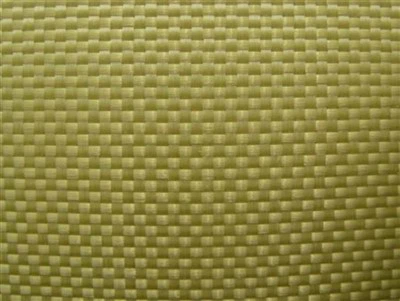
First off, let’s talk about why chemical resistance is important for carbon fabric. Carbon fabric is used in a wide range of applications, from aerospace and automotive to sports equipment and industrial machinery. In many of these applications, the fabric is exposed to various chemicals, such as solvents, acids, and bases. If the fabric isn’t resistant to these chemicals, it can degrade over time, which can lead to a loss of strength and performance.
So, how can we make carbon fabric more resistant to chemicals? Well, there are a few different approaches we can take.
1. Coating the Carbon Fabric
One of the most common ways to improve the chemical resistance of carbon fabric is to apply a coating. There are several types of coatings available, each with its own unique properties and benefits.
Epoxy Coatings
Epoxy coatings are a popular choice for carbon fabric because they provide excellent chemical resistance and adhesion. Epoxy is a thermosetting polymer that can be applied to the fabric in a liquid form and then cured to form a hard, protective layer. Epoxy coatings can resist a wide range of chemicals, including solvents, acids, and bases.
Polyurethane Coatings
Polyurethane coatings are another option for improving the chemical resistance of carbon fabric. Polyurethane is a flexible polymer that can be applied as a liquid or a spray. It provides good resistance to abrasion, impact, and chemicals. Polyurethane coatings are often used in applications where the fabric needs to be flexible and durable, such as in sports equipment.
Fluoropolymer Coatings
Fluoropolymer coatings, such as PTFE (polytetrafluoroethylene), are known for their excellent chemical resistance and non-stick properties. These coatings can resist a wide range of chemicals, including strong acids and bases. Fluoropolymer coatings are often used in applications where the fabric needs to be resistant to high temperatures and harsh chemicals, such as in the chemical industry.
When applying a coating to carbon fabric, it’s important to follow the manufacturer’s instructions carefully. The surface of the fabric needs to be clean and dry before applying the coating, and the coating needs to be applied evenly to ensure good coverage.
2. Using Chemical-Resistant Resins
Another way to make carbon fabric more resistant to chemicals is to use chemical-resistant resins. Resins are used to impregnate the carbon fabric and hold the fibers together. By using a resin that is resistant to chemicals, we can improve the overall chemical resistance of the fabric.
Phenolic Resins
Phenolic resins are known for their excellent chemical resistance and high-temperature stability. They can resist a wide range of chemicals, including acids, bases, and solvents. Phenolic resins are often used in applications where the fabric needs to be resistant to fire and high temperatures, such as in the aerospace industry.
Vinyl Ester Resins
Vinyl ester resins are a type of thermosetting resin that provides good chemical resistance and mechanical properties. They can resist a wide range of chemicals, including acids, bases, and solvents. Vinyl ester resins are often used in applications where the fabric needs to be resistant to corrosion and chemicals, such as in the marine industry.
Polyester Resins
Polyester resins are a common choice for carbon fabric because they are relatively inexpensive and easy to work with. They provide good chemical resistance to many types of chemicals, but they may not be as resistant as phenolic or vinyl ester resins. Polyester resins are often used in applications where the fabric needs to be lightweight and cost-effective, such as in the automotive industry.
When choosing a resin for carbon fabric, it’s important to consider the specific chemical environment the fabric will be exposed to. Different resins have different levels of chemical resistance, so it’s important to choose the right one for the job.
3. Surface Treatment
Surface treatment is another way to improve the chemical resistance of carbon fabric. By treating the surface of the fabric, we can create a barrier that prevents chemicals from penetrating the fibers.
Plasma Treatment
Plasma treatment is a process that uses a high-energy plasma to modify the surface of the fabric. This treatment can improve the adhesion of coatings and resins to the fabric, as well as increase the chemical resistance of the fabric. Plasma treatment can also make the fabric more hydrophobic, which means it repels water and other liquids.
Chemical Treatment
Chemical treatment involves treating the fabric with a chemical solution to modify the surface properties of the fabric. For example, treating the fabric with a silane coupling agent can improve the adhesion of coatings and resins to the fabric, as well as increase the chemical resistance of the fabric. Chemical treatment can also make the fabric more resistant to UV radiation and other environmental factors.
4. Testing and Quality Control
Once we’ve made the carbon fabric more resistant to chemicals, it’s important to test the fabric to ensure that it meets the required standards. There are several tests that can be used to evaluate the chemical resistance of carbon fabric, such as immersion tests, spray tests, and exposure tests.
During the testing process, we need to carefully monitor the fabric for any signs of degradation or damage. If the fabric fails the test, we need to go back and make adjustments to the coating, resin, or surface treatment to improve the chemical resistance of the fabric.
In addition to testing, it’s also important to implement a quality control program to ensure that the carbon fabric is consistently meeting the required standards. This can involve inspecting the fabric during the manufacturing process, as well as conducting regular quality checks on the finished product.
Conclusion

Making carbon fabric more resistant to chemicals is an important consideration for many applications. By using coatings, chemical-resistant resins, surface treatment, and testing and quality control, we can improve the chemical resistance of carbon fabric and ensure that it performs well in harsh chemical environments.
Carbon Fabric If you’re interested in purchasing carbon fabric with improved chemical resistance, I’d love to talk to you. I can provide you with more information about our products and help you choose the right carbon fabric for your specific application. Just reach out, and we can start the conversation.
References
- "Composites Materials Handbook," edited by S. T. Peters.
- "Carbon Fiber Reinforced Composites: Design and Manufacturing," by J. Summerscales.
- "Polymer Matrix Composites: Materials, Manufacturing, and Design," by C. A. Dostal.
Jiaxing Rongjin Intelligent Technology Co., Ltd.
As one of the most professional carbon fabric suppliers in China, we have world-leading production equipment and strong manufacturing capabilities. Please rest assured to buy high quality carbon fabric in stock here from our factory. Contact us for quotation.
Address: No.503, Building 1, Xicundai Road 228, Honghe Town, Xiuzhou District, Jiaxing City, Zhejiang Province, China
E-mail: vivi@rongjinsmart.com
WebSite: https://www.carbonfibers-china.com/
