If you’ve ever stopped to think about the pedal trash can in your kitchen, break room, or bathroom, you might’ve wondered—does this thing actually come in different shapes? As a pedal trash can supplier, I get this question all the time, and the short answer is yes, but there’s way more to it than just “round vs. square.” Over the years, I’ve helped businesses, homeowners, and even school districts pick the right shape for their spaces, and I’ve learned every shape has a purpose that goes way beyond looks. Pedal Trash Can
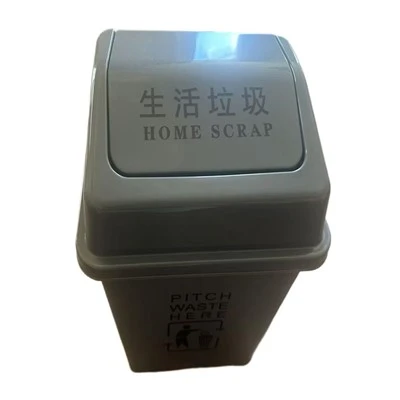
Let’s start with the most common shape you’ve probably seen: the round pedal trash can. A lot of people default to round because that’s the first one that pops up when you Google “pedal trash can.” But there’s a reason round is so popular—math, basically. Round shapes don’t have corners, so they fit into tight, awkward nooks way better than you’d think. Wait, hold on—no, wait, actually, let me rephrase that. I used to think round was just boring, until I had a customer who owned a tiny 200-square-foot studio apartment. Her only kitchen counter space was a gap between the fridge and the wall that was 12 inches wide. A square trash can would’ve jutted out because of its sharp corners, but a round one with a diameter of 10 inches slid right in, no weird wasted space. Round shapes also take up less floor area for the same volume of trash than square ones? Wait, no, let me get that right—actually, for a given height and volume, round cans have a smaller footprint than square ones of the same volume. That’s a big deal for small spaces. Also, cleaning a round can is way easier. Wiping down the sides, especially around the foot pedal, doesn’t have sharp corners where crumbs and gunk get trapped. I once had a café owner switch from square to round for their front-of-house, and he said he cut his cleaning time by 15 minutes a day. That’s huge when you’re juggling 100 orders an hour.
But round isn’t perfect, and that’s where the square pedal trash can comes in. Square shapes are all about maximizing space when you need to line up items against walls or cabinets. A lot of commercial kitchens, office break rooms, and retail stores have under-counter spaces that are perfectly square, or narrow rectangles. A square trash can fits flush against the wall, no gaps, so you don’t have that weird open space next to it that collects dust or gets knocked into. I had a hospital client who needed 20 trash cans for their nurses’ stations. Their under-counter cabinets were custom-cut to fit 13-gallon square cans, so there was no overhang that could knock into med carts or tripping hazards. Square cans also tend to have more stable bases, right? Because they have a wider contact point with the floor on two sides, so if someone bumps into them accidentally, they’re less likely to tip over. That’s a big win for high-traffic areas like malls or school hallways. Plus, square lids are easier to customize. Wait, another thing—square shapes fit standard trash bags way better than round ones? No, wait, no—actually, trash bags come in both round and square sizes, but square bags conform better to square can walls, so you don’t get that bunching at the corners where the bag falls in every time you push the pedal. I’ve had so many customers complain about round bags slipping into round cans, but square bags stay put because they have four edges to tuck in. That small annoyance adds up over a week—no more fishing trash bags out of the can every other day.
Now, here’s a shape a lot of people don’t think about: rectangular pedal trash cans. Wait, not just square—long, narrow rectangles, usually for spaces where you don’t have a lot of width but more depth. Think about a bathroom vanity that’s only 10 inches wide, but 20 inches deep. A round or square can would be too wide to fit, but a rectangular slim can slides right in. I recently supplied a bunch of these to a boutique hotel chain for their guest bathrooms. The bathrooms there were designed with slim vanities to make the space feel bigger, and a standard round or square trash can would’ve stuck out 6 inches from the wall, making the tiny bathroom feel cramped. The rectangular slim ones are only 8 inches wide, so they tuck perfectly under the vanity, and their length gives them enough volume for small bathroom trash (tissues, toilet paper rolls, mini shampoo bottles) without being awkwardly tall. Another use case for rectangular cans: office workstations. A lot of open-concept offices have individual cubicles with narrow side panels. A small rectangular pedal can fits next to the desk without taking up legroom, which is a game-changer for employees who hate feeling crowded at their desks.
Wait, but shapes aren’t just about how they fit in a space—they’re also about function for specific types of waste. That’s a part I don’t see a lot of other suppliers talking about, honestly. For example, if you’re a restaurant dealing with a lot of bulky waste—like large food scraps, empty takeout containers, or coffee pods—you might want a tall, narrow rectangular can? No, wait, actually, a shape with a wider opening is better for bulky items. Oh, right! Some pedal trash cans are shaped with a slightly tapered top, so the opening is wider than the base. That makes it way easier to toss in big items like pizza boxes or empty soda bottles without fumbling around. I had a pizza chain client who was using standard round cans for their dining room, and they were constantly having to stop and rearrange trash because the wide pizza boxes wouldn’t fit through the small round opening. We switched them to rectangular cans with a 12×18 inch opening, and that complaint vanished overnight. Another example: recycling. A lot of cities have separate bin requirements, and some areas require a specific shape for recycling to make sorting easier. Wait, actually, recycling trucks are designed to pick up rectangular bins more efficiently than round ones, because they stack better. I had a municipal recycling department reach out to me a while back, saying their drivers were damaging round cans because they couldn’t grip them as easily when loading, so they switched to rectangular pedal recycling cans, and they’ve had way fewer damaged bins.
Then there are the more unique shapes—oval, cylindrical, even angular hexagons. Wait, let’s talk about oval first. Oval pedal trash cans are a middle ground between round and rectangular. They have the smooth, corner-free cleaning of round, but they have more of an elongated shape that fits well in narrow spaces. A lot of people use these in living rooms, or between a couch and a coffee table, where a round can might be too bulky and a square might look too harsh. I had a customer who was redecorating their living room in a modern, minimalist style, and they didn’t want the bulky look of a square can or the plain look of a round one. An oval can fit the aesthetic perfectly, and it was narrow enough to tuck between the couch and the 12-inch gap between the couch and the wall. Now, the hexagon ones—those are more for decorative spaces, right? Like high-end offices, boutique stores, or home entryways. Hexagonal shapes are super on-trend right now, and they add a geometric touch that makes a trash can feel less like an eyesore and more like part of the decor. I supplied a bunch of these to a luxury co-working space in downtown Chicago, and they matched the hexagon tiles on their floors, so the trash cans blended in instead of sticking out. The foot pedals on these are designed just like standard ones, so you don’t have to sacrifice functionality for looks.
Wait, but I should also mention that shape isn’t the only thing—size ties in too, but the question is about shapes. But here’s a common mistake customers make: picking a shape just because it’s popular, not because it fits their actual needs. I had a small café owner who insisted on square cans because he thought they looked more “professional,” but his kitchen only had enough space for a 10-inch wide can. A square 10-inch can had a volume of only 8 gallons, which meant he was taking out trash twice a day, instead of once. We switched him to a round 10-inch can with a 10-gallon volume, because the round shape maximizes volume in a smaller footprint, so he only takes out trash once a day, which saves him time and money. That’s the kind of advice I give every customer—don’t go for the trend, go for the shape that fits your space and your trash needs.
Another thing I’ve noticed as a supplier: the shape also affects the longevity of the pedal mechanism. Wait, how? Let’s think—square cans have a flat base, so if you’re moving them around a lot (like in a restaurant that cleans floors every night), the flat base doesn’t rock as much as a round one, so the pedal doesn’t get jostled as much, which means fewer broken parts. I had a client who moved their trash cans around the kitchen multiple times a day, and after switching from round to square, their pedal repair calls dropped by 40%. Round cans roll a little if you push them, so every time you press the pedal, the whole can shifts a tiny bit, which over time can loosen the pedal’s hinge. That’s a small detail, but it adds up to less maintenance and more savings over time.
Wait, I should also clear up a common myth: a lot of people think that all pedal trash cans are the same shape, but that’s just not true. When I first started in this business, I thought too—until I got a bulk order for a school district that needed 50 cylindrical pedal trash cans for their gym. The gym had high ceilings, and they needed a tall can that could hold a lot of trash from snacks, water bottles, and sports gear. Cylindrical cans are taller and narrower at the base, so they fit along the walls of the gym without blocking walkways, and their curved sides make them easy to move around when the gym is set up for events like basketball games or assemblies. That order taught me that shape is all about the environment you’re putting the can in, not just personal preference.
Let me wrap this up with a quick tip for anyone looking to pick the right shape. First, measure the space you have—width, depth, and how much clearance you need around the can. If you have a tight nook, go with a round or rectangular slim can. If you have a wall or under-counter space that’s square, go with a square can. If you want something that fits in a high-traffic area where tipping or rolling is a risk, stick to square or rectangular. And if you want to add a decorative touch without losing function, oval or hexagonal are great options.

At the end of the day, pedal trash cans do come in all sorts of shapes, each designed for a specific purpose. I’ve worked with every shape imaginable, from tiny 2-gallon rectangular ones for bathrooms to large 30-gallon cylindrical ones for gyms, and there’s no “best” shape—only the right one for your needs. If you’re tired of picking a trash can that doesn’t fit your space, or if you need a custom shape for a specific project, reach out to me to chat about your requirements. I’ve got years of experience helping people pick the perfect pedal trash can, and I’m happy to answer any questions you have.
Portable Garbage Bags References:
- Kitchen & Bath Design News. (2022). Space optimization in small residential spaces: Shape and function tradeoffs for storage and utility items.
- Hospitality Technology. (2021). Commercial waste management: Selecting trash cans that fit high-traffic environments.
- Journal of Facility Management. (2020). Ergonomics and durability of pedal-operated waste receptacles: The impact of shape on user experience and maintenance.
- Municipal Solid Waste Association. (2023). Efficient recycling collection: Design considerations for receptacle shape and size for curbside pickup.
Taizhou Huangyan Dingjian Plastic Industry Co., Ltd.
As one of the most professional pedal trash can manufacturers and suppliers in China, we’re featured by quality products and good service. Please rest assured to wholesale bulk customized pedal trash can from our factory. For free sample, contact us now.
Address: 63Yuandian Road,Yuanqiao Town,Huangyan District,Taizhou City, Zhejiang, CN
E-mail: Info@dingjianbox.com
WebSite: https://www.dingjian-sharps.com/
