Hey everyone, and welcome back to the blog! If you’re a regular here, you know we’re the folks who’ve been supplying LED batten lights for years—we talk shop, answer your weird (and awesome) lighting questions, and keep it real. Today’s topic is one we get at least a dozen times a week: can LED batten lights actually hold up outdoors? Let’s cut through the noise, skip the sales fluff, and get into the nitty-gritty. LED Batten Light
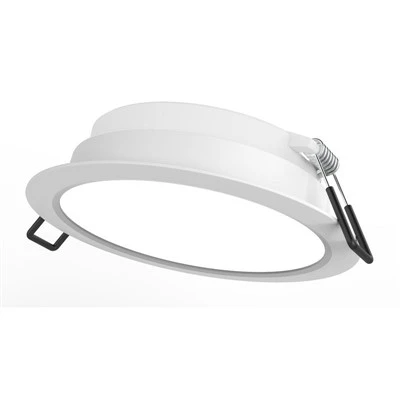
First off, let’s set the scene. What’s an LED batten light, anyway? For anyone new, it’s that long, sleek, tube-style LED fixture you’ve probably seen in warehouses, garages, or even office break rooms. Instead of a bulky incandescent or fluorescent tube, it has a whole LED strip built in—slimmer, brighter, way more energy-efficient. But here’s the thing: most of what we sell is rated for indoor use, right? But that doesn’t mean the answer is a hard “no.” It depends. And that’s where a lot of confusion comes in.
Let’s start with the basics outdoor lighting needs to handle. Mother Nature doesn’t care about your fixture’s brand—she throws rain, snow, wind, humidity, even extreme temps (from 100°F+ summer days to below-freezing winter nights). If you stick an indoor-rated LED batten outside, that’s a recipe for a dead light fast. Why? Most indoor fixtures have an IP rating—Ingress Protection, that number tells you how well they block dust and water. Indoor ones are usually IP20 or IP22: IP20 means no solid objects bigger than a 12mm sphere can get in, zero water protection. That means a light drizzle? Over time, moisture seeps in, shorts out the electronics. Snow piling up? The weight could crack the plastic housing, or melt water gets inside. Humid coastal areas? Salt air corrodes the metal components. So yeah, indoor-rated isn’t outdoor-safe. But hold on—we sell outdoor-rated LED batten lights too, and that’s where the magic happens.
What makes a batten light outdoor-worthy? Let’s break down the IP rating first, since that’s the big one for outdoors. For most residential outdoor areas (like a covered patio, or a porch under an eave), you want at least IP44. IP44 means it’s protected from solid objects bigger than a 1mm (so a bug can’t get in easily) and splashing water from any direction—think rain hitting it sideways, or a garden hose spraying it. That’s perfect for covered spots, because you’re not getting full-on exposure to standing water or heavy downpours. But if you’re mounting it somewhere fully exposed—like a fence post, a garden path light, or an uncovered patio—you need IP65. IP65 is dust-tight (no dust can get in, super important if you’re in a dusty area like Arizona) and protected against low-pressure water jets from any direction. That can handle heavy rain, snow, even accidental hosing. We’ve had clients use IP65 battens for their backyard event spaces too—set them up temporarily for a party, leave them out all summer, no issues. We had one customer last year who uses them to light his driveway for his construction business—they get rained on, dust, even snow in winter, and they’ve lasted 18 months so far, no dimming or flickering.
Then there’s temperature rating. Outdoor lights can’t just handle cold—they have to handle heat too, especially in places like Texas or Florida. Most indoor LEDs are rated for 0°C to 40°C, but outdoor ones usually go from -40°C to 50°C. That means they won’t overheat in the middle of a summer day, and they won’t stop working when it’s freezing. A lot of cheap no-name batten lights skip this, so you buy them for outdoor use in winter, and they die after a week. We test every outdoor batch we get to make sure they pass temp checks—no cutting corners there.
Wait, but what about wet locations vs. damp locations? Let’s clear that up, because people mix these up. A damp location is like a covered porch, a bathroom (indoor, but humid), a carport that’s open on one side, so it gets moisture but not direct standing water. For that, IP44 is fine. A wet location is fully exposed—like a patio without a roof, a fence, a dock, a walkway. That needs IP65 minimum, and usually a UL or ETL rating for wet locations, which is a safety thing we always look for. Our outdoor LED battens are all UL-listed for wet locations, so you don’t have to worry about electrical issues.
Now, let’s talk real-life use cases, because that’s what matters to you, right? Let’s say you’re a homeowner: you want to light your backyard shed, or your covered patio, or even your uncovered deck. If it’s under an eave (so no direct rain), indoor-rated is okay? Wait, hold on—even that, we usually suggest going at least IP44 if it’s near an exterior door, because the humidity from the outdoors can creep in over time. We had a customer a couple years ago who used an indoor batten on his uncovered back porch for 6 months—one heavy downpour, water got in, it died. So even if it’s “only” a little exposed, splurge on the IP44, it’s worth the extra $5 or so.
What about commercial use? We supply a lot of warehouses that have outdoor loading docks, right? Those are usually covered, but they get tons of foot traffic, rain sometimes. We sell IP44 battens for those—they’re tough, easy to install, way brighter than old fluorescent tubes we used to use. One warehouse client told us they save $1,200 a month on energy by switching from old outdoor fluorescents to our LED battens. That’s a big number, right? And they’ve had zero replacements in the last 2 years. Even better, if they had a more exposed area, like a truck parking lot, we’d go with IP65, because those get parked in rain, snow, dust—whatever. We also do outdoor event spaces: festivals, pop-up markets, outdoor weddings. They love our IP65 battens because they’re lightweight, easy to mount, and hold up to being out in the elements for days on end. We had a wedding planner who used 20 of them for a beach wedding last summer—salt air, high humidity, all day sun, and they looked perfect when she took them down a week later.
Wait, are there any outdoor areas where LED battens aren’t a good fit? Let’s be honest here—if you’re trying to light a deep, wooded path that gets full sun for 8 hours a day? No, wait—actually, no, that’s still fine, as long as you get IP65. What’s not a good fit? If you need really focused, directional light—like for a basketball court, you’re better off with floodlights. LED battens are linear, so they cast a wide, even light, which is great for long, narrow areas: driveways, loading docks, under awnings, patio edges. They’re not meant for spot lighting. Also, if you’re in an area with constant heavy standing water—like a bird bath, or a dock that’s partially submerged—skip the batten, go for a marine-grade light. We don’t recommend our standard outdoor battens for that, because even IP65 isn’t meant to be submerged. That’s a key point we always tell customers—don’t overestimate the IP rating. It’s for water jets and splashes, not full submersion.
Now, let’s address the myths, because we’ve heard ‘em all. Myth 1: All LED lights are outdoor-safe. Nope—we’ve seen people buy cheap LED strips from Amazon, stick ‘em outside, and they die in a month. Our battens are built with a thick polycarbonate housing, sealed electronics, and corrosion-resistant hardware—those cheap ones use thin plastic and exposed wires. Myth 2: Outdoor LED battens are way more expensive than indoor ones. Yeah, at first glance, they’re a bit pricier, but the lifespan is way longer. Indoor LEDs last like 50,000 hours, outdoor ones last 100,000 hours—double the life. That means you’re not buying replacements every 2 years, you’re buying every 5 or 6. The energy savings add up too—our LED battens use 75% less energy than fluorescent, so on your electric bill, that’s another win. We’ve had customers calculate that their outdoor lighting costs went from $50 a month to $10, that’s a no-brainer.
Another thing: installation. Outdoor LED battens are easy to install, same as indoor ones, right? No special tools, no electrician needed if you’re comfortable with basic wiring. But we always remind customers to turn off the power at the breaker first—obvious, but you’d be surprised how many people skip that. Also, make sure the mounting surface is solid—if you’re mounting to wood, use exterior screws, not regular ones, because regular rusts. If you’re mounting to concrete, use concrete anchors. That stuff might seem small, but it’s why a lot of lights die early—bad installation.
Wait, what about cold climates? We’re from Minnesota originally, so we know about those -20°F winters. Our outdoor LED battens work just fine in that cold—we tested ‘em last winter, left a batch outside for 3 months, no issues. Some cheaper LEDs stop working when it’s below freezing, but ours use high-quality LED chips that perform in cold temps. They even turn on fast, no flickering in the middle of a cold morning, which is a big plus for garages or barns that you use early.
Now, let’s get to the part you’re here for: how to pick the right one. First, ask yourself: is this fully exposed to rain, snow, direct water jets? If yes, go IP65. If it’s covered, splashes only, IP44 is enough. Then, check the temp rating—make sure it’s rated for your area. If you’re in Florida, you want something that handles high heat, if you’re in Alaska, handle cold. Then, look for UL or ETL listing—those are third-party safety certifications, so you know the light is built to last. Finally, don’t cheap out—we know everyone loves a good deal, but a $10 LED batten vs. a $25 one? The $10 one will die in 6 months, the $25 one will last 5 years. That’s not a savings, that’s a headache.
We’ve been in the LED batten supply game for 10 years now, and we’ve seen every mistake customers make—sticking indoor lights outside, buying no-name cheap ones, not checking IP ratings. So that’s why we’re so open about this stuff, no sales pitch, just real advice. If you’re not sure which one you need, hit us up. We can help you figure out the right IP, temp, even how many lumens you need for your space. We don’t push the most expensive one, we push the one that works for your needs.
For example, last month, a customer called us saying he wanted to light his detached garage, which is uncovered, gets snow in winter. We recommended our IP65 4ft LED batten, he bought 2, installed ‘em, and emailed us a week later saying they’re brighter than his old fluorescent, and even on the coldest night, they turned on right away. Another customer, a restaurant owner, wanted to light his covered patio for outdoor dining. We suggested IP44, 2ft battens, he installed 4, and now his patio is way brighter, customers love it, and his electric bill went down. Those are the kind of stories we love, because it means we’re helping people make the right call.
Wait, one last thing: maintenance. Outdoor LED battens are low-maintenance, right? No replacing tubes, no cleaning them every month. But a quick wipe down with a damp cloth once or twice a year keeps the housing clear, so the light stays bright. If you have a lot of bugs, a quick spray with bug repellent (non-corrosive) keeps the lens clear too. That’s all you need—no fancy maintenance.
So to wrap this up: yes, LED batten lights can be used outdoors—just not the indoor ones. The key is matching the IP rating, temp rating, and safety certifications to your specific outdoor space. Whether it’s a covered patio, a driveway, a loading dock, or a backyard event, there’s an outdoor-rated LED batten that’s perfect for the job.
If you’re looking for LED batten lights for outdoor use, or have questions about what’s right for your space, reach out to us. We’ll walk you through the options, answer any questions, no pressure, just honest advice. We’re here to help you find the right lighting that lasts, saves you money, and works for where you need it.
Thanks for reading, and we’ll see you next time!
LED Ceiling Light References:
- International Electrotechnical Commission. (2013). IEC 60529: Degrees of protection provided by enclosures (IP code).
- Underwriters Laboratories. (2020). UL 1598: Standard for Safety for Luminaires.
- Energy Star. (2022). LED Lighting Facts: Commercial Linear LEDs.
- LED Packaging Council. (2021). Performance Guidelines for Outdoor LED Lighting Systems.
Debesen (Shanghai) Optoelectronics Technology Co., Ltd.
We are one of the most professional led batten light manufacturers and suppliers in China, featured by quality products and good service. Please rest assured to wholesale advanced led batten light in stock here and get quotation from our factory. We also accept customized orders.
Address: No.258 Xiucheng Road, Fengcheng Town Economic Development Zone, Fengxian District, Shanghai
E-mail: Debesen258wendy@163.com
WebSite: https://www.debesen.com/
