When I first started my specialty printing products company, I’ll admit I didn’t spend much time thinking about international shipping. My early days were focused on perfecting the custom die-cut greeting cards and embossed business stationery I sold to local small businesses—each piece required delicate hand adjustments, thick textured paper, and unique finishing touches that set our work apart from generic print shops. It wasn’t until a regular client, a boutique hotel chain, asked if I could ship custom room key holders with their logo to three locations across Canada that I realized how big of a question mark international shipping for specialty printing really is. For anyone in this space, the answer isn’t a simple yes or no—it’s a nuanced balance of product-specific rules, carrier capabilities, regulatory hoops, and extra steps that can make or break a cross-border order. Specialty Printing Products
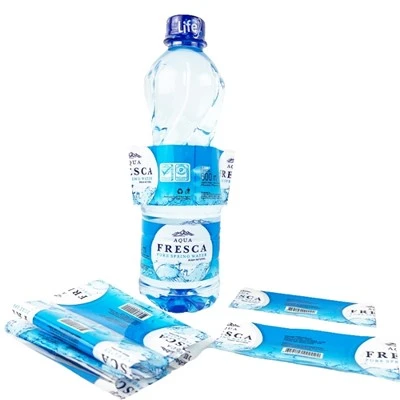
Let’s start with the basics: not all specialty printing products are created equal, and that’s the biggest factor in whether they can (or should) be shipped internationally. For example, the embossed leather journal covers we make for luxury brands—these are relatively low-risk when it comes to customs, as long as they’re properly labeled and don’t hold any restricted materials. But take another common specialty print item: custom vinyl sticker decals with a glossy UV laminate. On paper, these look straightforward, but if they’re printed with solvent-based inks (a popular choice for long-lasting outdoor decals), that’s a whole different story. Many countries, particularly in the European Union, have strict regulations on volatile organic compounds (VOCs) in printing inks, and solvent-based inks can trigger customs delays, fines, or even seizure of the entire shipment if documentation doesn’t clearly note the ink type and compliance with local limits.
I learned this the hard way a few years back. A small outdoor retail brand in Australia ordered 500 custom event decals from us, and we used our go-to solvent-based ink because it matched their request for scratch resistance. We filled out the commercial invoice correctly, listed “vinyl decals” as the product, and didn’t think to add anything about the ink. The shipment got stuck in customs in Sydney for two weeks, and when we followed up, we found out Australian Customs requires a separate declaration for products containing VOCs above a certain threshold. We had to rush a digital COA (Certificate of Analysis) from our ink supplier, pay a $150 late documentation fee, and the order arrived a full week after the retail event it was made for. That mistake taught me every part of the product—from the ink and paper to coatings and any added hardware—needs to be vetted for international shipping compliance before an order is confirmed.
Next up is carrier selection, which is non-negotiable for specialty printing. Most big national carriers only offer standard, one-size-fits-all shipping, and they don’t have the experience handling delicate, high-value, or regulated print products. For example, a thin, custom paper menu for a high-end restaurant is far more fragile than a standard brochure, and you can’t just toss it in a regular cardboard box with bubble wrap and expect it to survive a trans-Atlantic trip. I switched to a small, specialized shipping partner three years ago after another disaster: a set of 100 custom foil-stamped wedding invitations that were being shipped to Japan. Our regular carrier stacked them with a heavier shipment, and the foil stamped design crinkled. The specialized partner we work with now uses rigid, custom-sized cardboard boxes with acid-free tissue paper inserts, and they offer white-glove delivery that requires a signature for all print orders over $500. They also have dedicated teams that understand customs rules for creative goods, so I don’t have to decode the ever-changing regulations for 20+ countries every time I process an international order.
Another often-overlooked detail is the value and classification of specialty print products for customs. Standard print products are usually classified under 4901.99 (printed books, brochures, etc.), but specialty items like embossed leather journals, custom metal plaque prints, or limited-edition art prints fall into different HS (Harmonized System) codes. Getting this code wrong is a fast track to delays or extra duties. For example, in the UK, custom metal printing plaques aren’t classified as “printed goods” at all—they fall under 8310.00, which is for signboards and name plates, so the duty rate is different than if I’d listed them under a print-related code. I now have a customs broker that specializes in creative and print goods, and they help me pick the right HS code for every order, which has cut customs delays by 80% in the last two years.
But even with all that planning, there are limitations. For example, we don’t ship custom printed packaging with food contact materials to the EU, because EU food safety regulations are so strict that testing the inks and coatings for food contact takes months and costs more than the order itself. We also avoid shipping limited-edition art prints with original hand-embellished details to some countries in the Middle East, because they’re often subject to import restrictions on creative goods that could be seen as “cultural goods” requiring special licensing. It’s not that these products can never be shipped—we’ve done a few hand-delivered orders for high-value art prints to the UAE when the client arranged a customs broker and a cultural goods import permit—but for most small to medium orders, it’s not worth the time and cost.
For our customers, all this means that ordering specialty print products internationally doesn’t have to be a headache, as long as we plan ahead. I now give every international client a checklist before we even start production: confirm the destination country, share the product details (including ink type, materials, coatings, and any hand finishing), and work with them to pick the right shipping timeline. For example, if a client in Canada needs a set of custom business cards for a trade show in six weeks, we build in an extra two weeks for customs processing and shipping, which keeps the order on track without rushing production and risking quality.
One of the biggest misconceptions I hear from new international clients is that shipping specialty prints abroad is too expensive. While it’s true that international shipping for delicate or high-value items costs more than domestic, the extra steps are worth it to make sure the product arrives in perfect condition. Last year, a small tech startup in Germany ordered 200 custom foil-stamped press kits for a product launch, and they were worried about the cost. We quoted them $450 for domestic shipping vs. $780 for international shipping, and they almost went with a local German print shop instead. But a month before their launch, they reached back to us and said the local shop’s foil finish wasn’t as consistent, and they trusted our quality. We worked out a flexible shipping plan with our carrier, including tracking every step of the way, and the press kits arrived two days before the launch—with no delays, no damage.
At the end of the day, specialty printing products absolutely can be shipped internationally, but it takes expertise, attention to detail, and the right partners. As someone who’s been in this space for years, I’ve learned that the key is transparency with both clients and carriers. I don’t hide the extra steps or costs of international shipping—instead, I explain them upfront, so my clients can make informed decisions about their orders. Whether you’re a small business needing custom branded stationery across the country, or a luxury brand looking for limited-edition print products for clients overseas, the right specialty print provider will handle all the logistics, regulations, and shipping hurdles, so you can focus on your business.
If you’re looking for a partner to handle your specialty printing needs, whether domestic or international, I’m here to help. We’ve shipped everything from custom wedding invitations to trade show display graphics to leather-bound journals across North America, Europe, and Oceania, and we know how to navigate every rule and detail to get your order to you on time and in perfect condition. Get in touch to discuss your project, and let’s make something that works for you.
Household & Cleaning Labels References
- International Trade Administration. (2023). Harmonized Tariff Schedule of the United States for Print and Creative Goods.
- European Chemical Agency. (2022). Restrictions on Volatile Organic Compounds (VOCs) in Printing Inks.
- United States Postal Service. (2024). International Shipping Guidelines for Delicate or High-Value Printed Goods.
- World Customs Organization. (2023). HS Classification Guide for Specialty Print Products.
- Printing Industries of America. (2022). Global Shipping Best Practices for Specialty Print and Packaging.
SpeedPrint Era (Xiamen) Digital Co., Ltd.
SpeedPrint Era (Xiamen) Digital Co., Ltd. is one of the most professional specialty printing products manufacturers and suppliers in China, featured by quality products and low price. Please rest assured to wholesale advanced specialty printing products made in China here and get quotation from our factory. We also accept customized orders.
Address: Floor 1, No. 27, Xianghong Road, Xiang’an District, 361101, Xiamen, Fujian, China
E-mail: hxmacka@gmail.com
WebSite: https://www.lumolabels.com/
