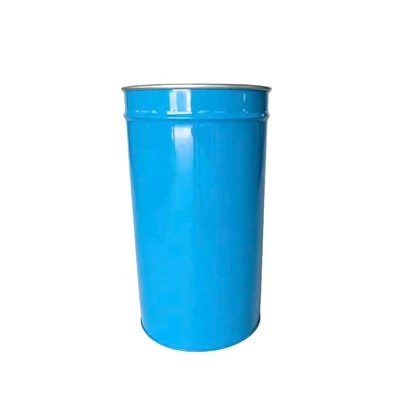
Welding a metal barrel is a technical process that requires a combination of knowledge, skills, and the right tools. As a long – standing metal barrel supplier, I’ve encountered numerous situations where customers are interested in either modifying existing barrels or creating new ones from scratch. In this blog, I’ll share my insights on how to weld a metal barrel effectively. Metal Barrel
Understanding the Basics of Metal Barrel Welding
Before diving into the welding process, it’s crucial to understand the types of metals commonly used for barrels and the welding techniques suitable for each. The most common metals for barrels include steel and aluminum.
Types of Metals
- Steel: Steel barrels are popular due to their strength and durability. Carbon steel is a common choice, and it can be divided into different grades based on the carbon content. Low – carbon steel is relatively easy to weld and is often used for general – purpose barrels. Welding steel requires a good understanding of its heat – affected zone (HAZ), as excessive heat can cause changes in the metal’s properties, such as hardness and brittleness.
- Aluminum: Aluminum barrels are lightweight and corrosion – resistant, making them ideal for applications where weight is a concern or when storing certain types of substances. However, aluminum is more challenging to weld than steel because it has a high thermal conductivity and a thin oxide layer on its surface that needs to be removed before welding.
Welding Techniques
There are several welding techniques that can be used for metal barrels, each with its own advantages and disadvantages.
- MIG (Metal Inert Gas) Welding: MIG welding is a popular choice for welding steel and aluminum barrels. It uses a continuous solid wire electrode fed through a welding gun and an inert gas (such as argon or a mixture of argon and carbon dioxide) to shield the weld from atmospheric contamination. MIG welding is relatively easy to learn and allows for high welding speeds.
- TIG (Tungsten Inert Gas) Welding: TIG welding is a more precise but also more challenging technique. It uses a non – consumable tungsten electrode to create the weld arc and a separate filler rod to add metal to the joint. TIG welding is often used for thin – walled barrels or when high – quality welds are required. It provides excellent control over the weld pool and is suitable for both steel and aluminum.
- Stick Welding: Stick welding, also known as Shielded Metal Arc Welding (SMAW), is a versatile and widely used technique. It uses a consumable electrode coated with a flux that creates a protective gas shield around the weld. Stick welding is suitable for welding thick – walled steel barrels and can be used in outdoor or dirty environments.
Preparing for Welding
Proper preparation is the key to a successful welding job. Here are the steps to follow:
Selecting the Right Materials
Apart from choosing the appropriate base metal for the barrel, you also need to select the right filler metal. The filler metal should have similar properties to the base metal to ensure a strong and durable weld. For example, when welding low – carbon steel, you can use a matching low – carbon steel filler rod. When welding aluminum, make sure to use an aluminum filler rod with the correct alloy composition.
Cleaning the Metal
Clean the surface of the metal thoroughly to remove any dirt, rust, paint, or oil. For steel, you can use a wire brush or a grinder to remove rust and scale. For aluminum, use a degreaser or a specialized aluminum cleaner to remove the oxide layer. A clean surface ensures better weld penetration and reduces the risk of weld defects.
Cutting and Fitting
Cut the metal pieces to the correct size and shape according to the design of the barrel. Use a saw or a plasma cutter for cutting steel, and a saw or a shear for cutting aluminum. After cutting, fit the pieces together precisely to ensure a tight joint. You can use clamps or fixtures to hold the pieces in place during welding.
Safety Precautions
Welding is a hazardous activity, so it’s essential to take appropriate safety precautions. Wear protective gear, including a welding helmet with a proper shade lens, welding gloves, a welding jacket, and safety glasses. Ensure that the welding area is well – ventilated to avoid inhaling harmful fumes and gases. Have a fire extinguisher nearby in case of a fire.
The Welding Process
Once you’ve completed the preparation work, you’re ready to start welding. The following steps outline the general process for welding a metal barrel:
Tack Welding
Tack welding is used to hold the metal pieces together temporarily before making the final weld. Place tack welds at regular intervals along the joint. The size and spacing of the tack welds depend on the thickness of the metal. For thin – walled metal, use smaller and more closely spaced tack welds. When tack welding, use a lower welding current to avoid warping the metal.
Welding the Seams
After tack welding, start welding the seams. When using MIG or TIG welding, move the welding gun or torch steadily along the joint at a consistent speed. For stick welding, strike an arc and maintain a steady arc length while moving the electrode along the joint. Pay attention to the weld bead appearance. A good weld bead should be smooth, uniform, and free of cracks or porosity.
Welding the Ends
Welding the ends of the barrel is a critical step. Make sure the ends are cut and fitted accurately. When welding the ends, use a technique that provides good penetration and a strong joint. You may need to make multiple passes to ensure a full – penetration weld.
Weld Inspection
After completing the welding, inspect the welds carefully. Check for any weld defects, such as cracks, porosity, or lack of fusion. You can use visual inspection, dye – penetrant testing, or ultrasonic testing to detect hidden defects. If any defects are found, repair them immediately.
Post – Welding Treatment
Once the welding is finished, there are several post – welding treatments that can improve the quality and durability of the barrel.
Grinding and Finishing
Use a grinder to smooth the weld beads and remove any excess metal. This not only improves the appearance of the barrel but also reduces stress concentrations at the welds. You can also use sandpaper or a wire brush to further finish the surface.
Heat Treatment
For some types of steel barrels, heat treatment may be necessary to relieve residual stresses and improve the mechanical properties of the weld. Heat treatment can involve processes such as annealing, normalizing, or tempering. The specific heat – treatment process depends on the type of steel and the requirements of the application.
Coating
Apply a protective coating to the barrel to prevent corrosion. For steel barrels, you can use a paint or a galvanized coating. For aluminum barrels, anodizing or a specialized aluminum coating can be used.
Why Choose Our Metal Barrels
As a professional metal barrel supplier, we offer high – quality metal barrels that are welded to the highest standards. Our experienced welders use the latest welding techniques and equipment to ensure strong and reliable welds. We also provide a wide range of customization options, allowing you to choose the right size, material, and design for your specific needs.
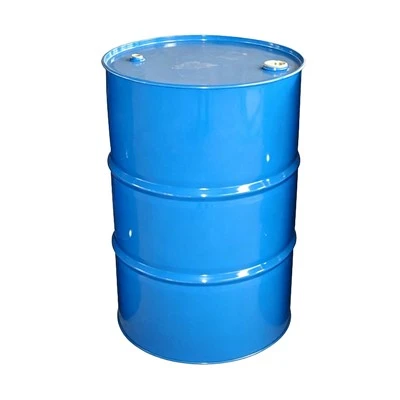
Whether you need metal barrels for industrial storage, transportation, or other applications, our products can meet your requirements. Our metal barrels are built to last, with excellent corrosion resistance and structural integrity.
Steel Barrel If you’re interested in purchasing our metal barrels or have any questions about welding or barrel customization, please feel free to contact us. We’re always ready to assist you in finding the best solutions for your business.
References
- "Welding Handbook", American Welding Society
- "Metals and Alloys in the Welding Environment", James F. Lancaster
- "Aluminum Welding: Principles and Practices", The Aluminum Association
Anhui Lining Packaging Container Co., Ltd.
We are one of the most professional metal barrel manufacturers and suppliers in China, also support customized service. Please rest assured to wholesale bulk high quality metal barrel in stock here from our factory. If you have any enquiry about quotation, please feel free to email us.
Address: Maodikou Village, Dangshan County, Anhui Province
E-mail: In13905677285@126.com
WebSite: https://www.liningpack.com/
