Hey there! I’m a supplier of LV (Low Voltage) Distribution Boards, and I often get asked about the certification requirements for these nifty pieces of electrical equipment. So, I thought I’d sit down and share some insights on what it takes to get that stamp of approval for an LV Distribution Board. Lv Distribution Board
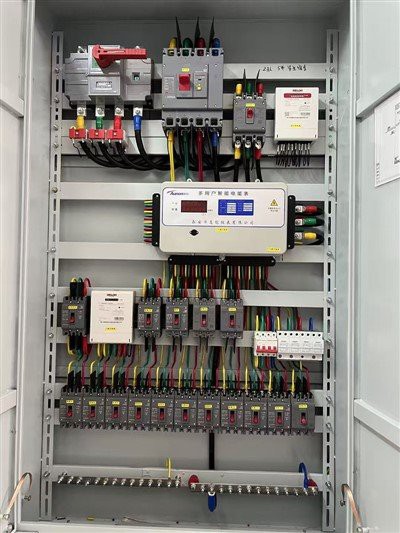
First off, let’s get the basics out of the way. An LV Distribution Board is like the nerve center of an electrical system. It’s responsible for distributing electrical power from a main source to multiple sub – circuits. Whether it’s in a commercial building, an industrial facility, or a residential complex, the safe and efficient operation of an LV Distribution Board is crucial. That’s where certifications come in. They provide a guarantee that the board meets certain standards and can be trusted to do its job safely.
IEC Standards
One of the most widely recognized sets of standards for LV Distribution Boards is the International Electrotechnical Commission (IEC) standards. The IEC 61439 series, in particular, is the go – to for evaluating the safety and performance of low – voltage switchgear and controlgear assemblies, which includes LV Distribution Boards.
To meet IEC 61439 requirements, the board has to go through a series of tests. For example, there are mechanical tests to check the strength and stability of the enclosure. The board needs to be able to withstand the rigors of normal use, like being moved around during installation or potentially being bumped into. If the enclosure is flimsy, it might not protect the internal components properly, which could lead to safety hazards.
Then there are electrical tests. These are all about making sure the electrical conductors inside the board can handle the rated current without overheating. Overheating is a major no – no as it can cause insulation to break down, leading to short circuits and even fires. The board also has to have proper protection against overcurrent, short – circuit, and earth – fault conditions. Circuit breakers and fuses play a big role here, and they need to be properly rated and functioning correctly.
Another important aspect of the IEC standards is the protection against the ingress of foreign objects and water (IP rating). An LV Distribution Board should have an appropriate IP rating depending on its intended environment. For example, if it’s going to be installed outdoors or in a wet area, it needs a higher IP rating to prevent water and dust from getting inside and causing damage.
National and Regional Standards
In addition to the international IEC standards, there are also national and regional standards that LV Distribution Boards must comply with. In the United States, the National Electrical Code (NEC), also known as NFPA 70, is a key standard. It sets the requirements for electrical installations, including the design and installation of LV Distribution Boards.
The NEC has specific rules about things like the sizing of conductors, the installation of overcurrent protection devices, and the grounding of electrical systems. For example, it requires that all electrical equipment, including LV Distribution Boards, be properly grounded to prevent electrical shock. The grounding system needs to be able to carry fault current safely to the ground.
In Europe, the Harmonized European Standards have a big influence. These standards are based on the IEC standards but may have some additional requirements or modifications specific to the European market. For suppliers like me, this means that we need to make sure our LV Distribution Boards meet both the international and regional standards when we’re targeting different markets.
CE Marking
If you’re planning to sell LV Distribution Boards in the European Economic Area (EEA), you’ve got to have the CE marking. The CE marking indicates that the product complies with the essential health and safety requirements set out by the relevant European directives.
To get the CE marking for an LV Distribution Board, you need to follow a conformity assessment procedure. This usually involves a technical documentation review, which includes things like design specifications, test reports, and user manuals. A third – party certification body may also be involved in some cases to carry out inspections and tests to ensure compliance.
The CE marking is not just a random sticker. It’s a legal requirement, and without it, you’re not allowed to sell your LV Distribution Boards in the EEA. It’s a way for consumers and regulatory authorities to have confidence in the safety and performance of the product.
UL Certification
In the United States and a few other countries, Underwriters Laboratories (UL) certification is highly regarded. UL is an independent, non – profit organization that tests and certifies products for safety.
Getting UL certification for an LV Distribution Board involves a comprehensive testing process. UL will test the board’s electrical components, enclosure, and overall design to make sure it meets the relevant UL standards. For example, UL 891 is the standard for Switchboards, which includes LV Distribution Boards.
The testing may include things like short – circuit current rating tests, temperature rise tests, and dielectric withstand tests. If the board passes all the tests, it will be issued a UL certification, which is a sign that the product has met a high standard of safety.
Other Certifications
Depending on the specific application and industry, there may be other certifications that are required. For example, if the LV Distribution Board is going to be used in a hazardous environment, like a chemical plant or a refinery, it may need to meet certifications such as ATEX (for explosive atmospheres in Europe) or UL 1203 (for hazardous locations in the US).
These certifications are designed to ensure that the board can operate safely in environments where there is a risk of explosion or fire. The board may need to have special features like explosion – proof enclosures, flame – arresters, or intrinsically safe electrical circuits.
Importance of Certification for Suppliers
As a supplier of LV Distribution Boards, certification is not just a nice – to – have; it’s a must – have. First of all, it’s a legal requirement in many regions. If I don’t have the necessary certifications, I can’t sell my products in those markets, which would be a huge blow to my business.
Certification also gives my customers confidence in my products. When a customer sees that an LV Distribution Board is certified to meet international and national standards, they know that it has been rigorously tested and is safe to use. This can help me build long – term relationships with my customers and increase my market share.
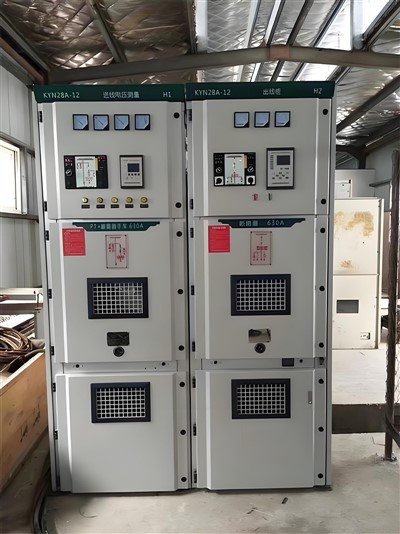
Moreover, having certified products can also help me stay ahead of the competition. In a crowded market, a certified LV Distribution Board stands out from the non – certified ones. It shows that I’m committed to quality and safety, which are two of the most important factors that customers consider when making a purchasing decision.
If You’re Interested…
Tertiary Distribution Box So, there you have it, the ins and outs of the certification requirements for an LV Distribution Board. If you’re in the market for high – quality, certified LV Distribution Boards, I’d love to talk to you. Whether you’ve got a small residential project or a large – scale industrial one, I’ve got the products to meet your needs. Drop me a line, and we can start discussing how I can supply you with the perfect LV Distribution Board for your project.
References
- International Electrotechnical Commission (IEC). IEC 61439 series.
- National Fire Protection Association (NFPA). NFPA 70 (National Electrical Code).
- UL Standards. UL 891, UL 1203.
- European Union directives related to low – voltage electrical equipment.
Anhui Nanxian Electric Co., Ltd.
With abundant experience, we are one of the most professional lv distribution board manufacturers and suppliers in China. We warmly welcome you to buy advanced lv distribution board for sale here and get quotation from our factory. All customized products are with high quality and low price.
Address: Factory Unit 03-2, Building 21, Feidong Yinfeng Industrial Park Co., Ltd., Northeast Corner of Manquan Road and Changle Road, Hefei Circular Economy Demonstration Park, Feidong County, Hefei City, Anhui Province.
E-mail: 541580567@qq.com
WebSite: https://www.nxelepower.com/
