Hey there, if you’ve ever installed an HVAC system or just had to deal with heating and cooling bills that make you wince, you’ve probably heard the word “glass wool” thrown around. As a supplier in the glass wool series, I get asked all the time: “Can glass wool actually work in HVAC systems, or is it just another overhyped insulation material?” Let me cut through the noise here—this isn’t some half-baked trend, and it’s been a workhorse in HVAC for decades. But let’s get real about what it does, what it doesn’t, and why it might be exactly what your system needs. Glass Wool Series
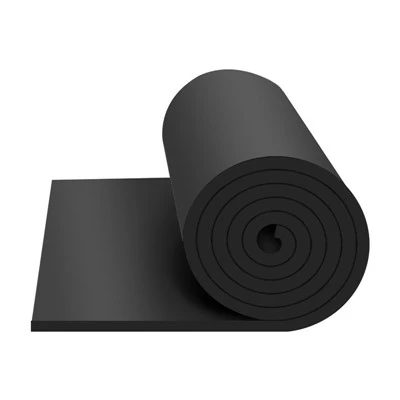
First, let’s break down what glass wool even is, in plain terms. It’s made from melted glass spun into tiny, fluffy fibers—think of it like super-fine glass cotton, but way more durable. Those little fibers trap air, which is the key to insulation, right? Because air is a bad conductor of heat, so the more stuck air you have, the better you are at keeping heat where you want it (like in your home during winter) and out where you don’t (your attic in summer). For HVAC, that’s huge because your system isn’t just heating or cooling air—it’s moving that air through ducts, walls, attics, and even the equipment itself.
Let’s start with ducts, since that’s where glass wool is most commonly used in HVAC. Uninsulated ducts lose a ton of conditioned air before it even reaches your rooms. I’ve had customers tell me their HVAC bills were through the roof until they wrapped their ducts in glass wool. How much? Studies I’ve seen say uninsulated supply ducts can lose 20-30% of the air they carry, especially if they’re in an attic or basement with extreme temperatures. Glass wool solves that because it’s a thermal insulator first and foremost. It has an R-value— that’s the measure of thermal resistance—usually around R-3 to R-4 per inch. Compare that to, say, basic fiberglass insulation (wait, glass wool is a type of fiberglass, fyi, but it’s denser), and it’s actually more consistent at high temperatures, which is perfect for the hot air coming from your furnace or the cold air from your AC system.
But thermal insulation isn’t the only win here. Acoustics is another big one that people sleep on (pun intended). If you’ve ever heard a rattle or a whoosh sound from your ducts when the HVAC is running, that’s air turbulence or vibration from the system knocking around duct metal. Glass wool is an acoustic insulator—it absorbs sound waves instead of letting them bounce around inside the ducts. That means quieter operation, which is a huge plus for offices, bedrooms, or any space where noise matters. I once had a restaurant client tell me their waitstaff could hear every time the HVAC turned on in the dining room—after lining their return ducts with our glass wool, that noise was gone. Game changer.
Now, let’s talk about the parts people usually worry about: safety and durability. No one wants a material that breaks down over time or poses a health risk. First, glass wool is non-combustible. It has a Class A fire rating, which is the highest you can get for building materials. That’s a big deal because HVAC systems get hot—furnace ducts can reach 200°F or more. Glass wool won’t catch fire, and it doesn’t release toxic fumes when exposed to heat. That’s way better than some organic insulations, like foam, which can release harmful gases if they burn. It’s also resistant to mold and mildew, as long as it’s installed correctly (no gaps, no water pooling). The fibers don’t hold moisture, so if a duct has a small leak, the glass wool won’t turn into a mold farm like some other materials would.
Wait, but what about installation? I get it, some people think it’s messy. The fibers can irritate skin and lungs if you don’t wear proper gear, but that’s true for almost any insulation material, right? As a supplier, we always stress that installers need to use gloves, goggles, and masks when handling it. Once it’s installed, though, it’s sealed or covered, so the mess is gone. It’s also easy to cut to fit, which is perfect for odd-shaped ducts or tight spaces in attics. I’ve had DIY customers buy our glass wool for small duct jobs, but I always recommend hiring a pro for large systems—just to make sure it’s fitted right, no gaps, because even a tiny gap can kill the insulation performance.
But hold on, glass wool isn’t a one-size-fits-all solution. Let’s be honest about the downsides, so you know when it makes sense, and when it might not. First, if you’re dealing with very low-temperature applications, like cold storage HVAC, some other insulations might perform better at extreme cold. But for standard residential or commercial HVAC (which is usually between 40°F and 150°F), glass wool is solid. Another thing: it’s not waterproof. If a duct is exposed to constant moisture—like if it’s in a crawl space that floods regularly—you’ll need a vapor barrier or a different insulation. But in most properly installed HVAC systems, that’s not an issue. Also, it’s denser than some other insulations, so it might be a bit heavier for large ductwork, but not enough to cause structural issues as long as it’s installed correctly.
Wait, what about return air ducts? That’s another common use. Return ducts pull air from your rooms back to the HVAC unit, so insulating them with glass wool keeps that air from picking up unwanted temperatures as it travels. If your return duct is in a hot attic, uninsulated, it will pull in hot air before it even gets to the unit, making the AC work harder. Glass wool fixes that too. Some people even line the inside of return ducts with glass wool for extra acoustics, which is great for open-concept offices where noise transfer is a problem.
I should also mention that modern glass wool has come a long way from the old-school stuff that used to itch like crazy. We use binder resins now that are low-VOC (volatile organic compounds), so they don’t smell or off-gas, which is important for indoor air quality. That’s a big selling point for residential homes, where people don’t want their insulation to contribute to bad air. For commercial buildings, low-VOC is often required by building codes, so glass wool checks that box.
Let me throw in a real example to make this concrete. Last year, I worked with a small hotel chain that was seeing their AC units run 12 hours a day, even when the outside temperature was mild. Their ductwork was uninsulated, and the return ducts were in the unconditioned attic. We supplied them with our 2-inch thick glass wool duct wrap and interior duct lining. Within a month, their energy bills dropped by 22%. That’s not a random number—its from their utility company’s reports. The glass wool cut down on both thermal loss and noise, so they also got compliments from guests about how quiet the hallways were. That’s the kind of win that makes me proud to be in the glass wool series business.
Now, should you use glass wool in your HVAC system? Let’s wrap this up: if you’re dealing with standard residential or commercial HVAC, it’s a solid choice for duct insulation, line sets, or even wrap around the HVAC unit itself. It’s affordable, easy to install (by pros, mostly), non-combustible, great for acoustics, and boosts energy efficiency which saves you money long-term. The only times to look elsewhere are if you’re in an environment with constant, heavy moisture (like a boat HVAC system) or extreme temperatures below freezing (unless you pair it with a specialized vapor barrier).
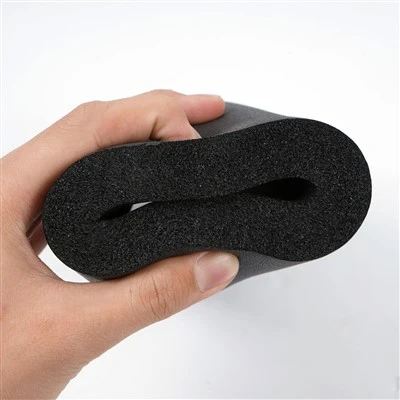
If you’re looking to upgrade your HVAC insulation or just want to chat about what’s right for your system, reach out. We’re here to help you pick the right type of glass wool, whether you need duct wrap, interior lining, or something else for your project. Don’t hesitate to connect—we can walk you through specs, give you cost estimates, and make sure you get exactly what you need to make your HVAC run better.
Building & Loft Glass Wool Blankets References
- American Society of Heating, Refrigerating and Air-Conditioning Engineers (ASHRAE). "HVAC Systems and Equipment." 2021.
- U.S. Department of Energy (DOE). "Insulation and Your Home." 2022.
- Glass Association of North America (GANA). "Glass Wool Insulation: Properties and Applications." 2020.
- International Code Council (ICC). "Building Codes for HVAC Insulation." 2021.
- National Institute for Occupational Safety and Health (NIOSH). "Worksafe Handling of Insulation Materials." 2019.
Langfang Aolesi Thermal Insulation Materials Co., Ltd.
As one of the most professional glass wool products manufacturers and suppliers in China, we also support customized service. Please feel free to buy bulk high quality glass wool products made in China here from our factory. For pricelist, contact us now.
Address: Dongwang Village, Dacheng County, Langfang City, Hebei Province
E-mail: Lfaolesibaowen@outlook.com
WebSite: https://www.lfaolesi.com/
