Hey everyone, let’s cut to the chase here—if you’ve ever moved oversized, non-containerized cargo, you know that regular LCL or FCL booking doesn’t cut it. That’s where break bulk comes in, and as a break bulk supplier, I’ve been through the booking process so many times I could walk you through it in my sleep. Today I’m breaking down exactly what the break bulk booking process is, straight from the trenches—no fancy jargon, no AI fluff, just real talk from someone who does this every week. Break Bulk
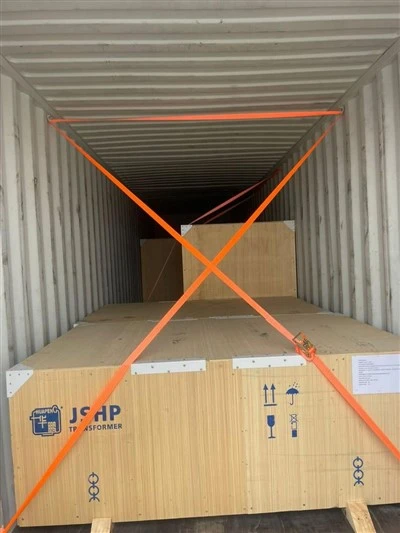
First off, let’s get one thing straight: break bulk cargo is anything that’s too big, too heavy, or just doesn’t fit in a standard 20ft or 40ft container. Think wind turbine blades, industrial machinery, prefab steel beams, even yachts or generators that need special handling. Unlike containerized stuff that stacks neatly in a box, break bulk gets loaded directly onto a ship’s deck or into the hold via cranes, which is why the booking process is way different than what you’re used to for regular freight.
So step one, and honestly the most important one, is pre-booking due diligence. I can’t tell you how many times a client has hit me up last minute saying, “Hey, I need this 50-ton generator in Rotterdam by Friday”—and I’m like, “Buddy, that’s not how this works.” Before we even touch any booking forms, we need to know all the deets: exact dimensions (length, width, height, and yes, we need the actual measurements, not “it’s a big machine”), weight (gross weight, not just the product weight—we have to factor in pallets, crating, anything attached), what it’s made of (especially if it’s hazardous—trust me, we once had a client’s metal pipes coated in a flammable sealant that they forgot to mention, and that derailed the whole process), and the delivery points: where it’s coming from (pickup location, is it accessible for a flatbed truck or a heavy hauler?), where it needs to go (port of loading, port of discharge, is the destination port equipped with cranes that can lift heavy break bulk?), and any deadlines they have. I also ask if they need any extra stuff, like on-site assembly support at the destination, or insurance that covers oversized cargo—those are non-negotiable add-ons that change the entire booking plan.
Once I have all that info, the next step is getting quotes and checking availability. Not every ship can handle break bulk. Most general cargo ships have dedicated hold space or deck areas for oversized freight, but some only carry containers, so I have to cross-reference the client’s specs with the carrier’s schedule. For example, if a ship’s maximum deck load capacity is 60 tons, that 50-ton generator is fine, but if it’s 70 tons, we can’t book that ship. I also have to check if the ship has cranes with enough lift capacity—some cranes only do 30 tons, so we need to book a ship that has heavy-lift (HLL) cranes if the cargo is over 40 tons. This part can take a few days because I’m not just going online and grabbing a quote; I’m calling my carrier contacts, verifying slots, and making sure there’s no other break bulk cargo competing for the same space. I’ve had a client say they want a super cheap quote from a carrier that only has 20-ton cranes, and I have to be the bad guy and tell them it’s not doable if their cargo is 50 tons. It’s a pain, but it’s way better than bailing on the shipment last minute.
After the quote is agreed to and the client’s onboard, we move to the actual booking submission. This is where we fill out the booking form, but it’s way more detailed than regular freight. The standard booking for containers just needs the container type and number, but for break bulk, we have to list every single piece of cargo separately, even if they’re part of the same shipment. For example, if we’re moving three prefab steel beams, each 30ft long and 10 tons, we have to put each beam as a line item, with their own dimensions and weight. We also have to attach supporting docs: photos of the cargo, crating/packing lists, any hazardous material docs if applicable, and sometimes a stowage plan. The stowage plan is super important here—it shows exactly where each piece will go on the ship, because you can’t just stack a 50-ton generator on top of a 10-ton beam. We have to make sure heavy stuff is low, light stuff is on top, and oversized pieces don’t stick out where they’ll get damaged by waves or other cargo. I usually draw this up myself, or work with a stowage specialist, because getting it wrong can cause the cargo to shift mid-voyage, which is a total disaster.
Once the booking is submitted, the carrier issues a release note—this is basically their confirmation that they’ve reserved space for your break bulk cargo. But here’s the thing: that confirmation isn’t set in stone. Carriers can hold slots for a few days, and we have to lock in the booking with a deposit, usually 20-30% of the total cost, within 48 hours. If we don’t, they’ll give the slot to someone else. I’ve seen clients miss that deadline because they were waiting on internal approvals, and they had to push their shipment back two weeks because there were no other available ships. Pro tip: don’t drag your feet on the deposit.
Next up is pre-arrival coordination at the origin port. This is where we line up the heavy haulage to bring the cargo from the client’s warehouse or factory to the port. But here’s another break bulk quirk: you can’t just drop heavy cargo off at the port a week early. Most ports don’t have space for oversized freight sitting around, and cranes are only available for specific windows. So we schedule a delivery slot for 24-48 hours before the ship’s departure. We also have to get all the necessary port permits—some ports have weight limits for cranes, or restrictions on when you can bring in oversized cargo, especially if it’s going through a busy channel. I once had a shipment of wind turbine blades that were 120ft long, and the origin port wouldn’t let us deliver them on a weekday because of bridge clearance, so we had to move it for a Saturday delivery, which meant extra fees. Again, this is all stuff we have to coordinate before the cargo even arrives.
Then comes loading day, which is where all the pre-work either pays off or goes wrong. Break bulk loading is way more hands-on than container loading. We use large mobile cranes or the ship’s own cranes to lift each piece, and a team of riggers secures it with chains, straps, and sometimes steel wires. We’re there on-site the whole time to supervise—we check that each piece is lifted correctly, that it’s placed exactly where the stowage plan said, and that all the securing is tight. I’ve had a rigger miss a chain on a 40-ton beam, and we had to stop loading and redo it before the ship left, which delayed us a day. No one wants that. Once loading is done, the port issues a bill of lading—this is the legal document that proves the cargo was received and is being shipped, and it’s what the client uses to claim their goods at the destination.
Wait, but that’s not the end of the booking process, right? We also have to coordinate the destination side: arrange for heavy haulage from the destination port to the client’s location, make sure all the import docs are in order, and follow up with the carrier to confirm the ETA, because break bulk ships don’t run on strict schedules like container ships. They can be delayed by bad weather or loading issues, so staying on top of that is part of the whole booking package.
Now, let’s be real—this process isn’t as simple as clicking a button and waiting for a delivery. It requires attention to every tiny detail, because one mistake can cost thousands in damages or delays. That’s why as a break bulk supplier, I’m not just someone who takes a booking and hands it off. I’m with the client every step of the way, from the initial call about their cargo to the moment it gets dropped off at their dock.
If you’re in the market for moving break bulk cargo—whether it’s industrial equipment, oversized goods, or anything that doesn’t fit in a standard container—don’t try to wing it. The booking process is critical, and having someone who knows the ins and outs (like me) can save you so much stress and money. I get that shipping can feel overwhelming, especially when you’re dealing with big, heavy stuff, but we make it as smooth as possible, no hidden fees, no last-minute surprises.
If you’re ready to chat about your next break bulk shipment, or you just have questions about the process, don’t hesitate to reach out and let’s connect. We can walk through your specs, get a clear quote, and make sure your cargo gets where it needs to go on time and in one piece.
Roll-on/roll-off References:
- International Chamber of Shipping. (2022). Break Bulk Cargo Operations: Best Practices for Booking and Stowage. London: ICS Publishing.
- Institute of Shipping Economics and Logistics. (2023). The Break Bulk Supply Chain: Booking Processes and Risk Mitigation. Bremen: ISL Research Report.
- World Shipping Council. (2021). Non-Containerized Cargo: A Guide to Booking, Handling, and Documentation. Washington, DC: WSC Publications.
Speed Supply Chain (Guangzhou) Co., Limited
Speed Supply Chain (Guangzhou) Co., Limited is a licensed NVOCC and first-level freight forwarder in China. With a professional team, we deliver reliable, efficient and cost-effective break bulk service for global customers. If you have any enquiry about quotation, please feel free to email us.
Address: Room 2001-2002, Dongzhao Building, No. 515 Dongfeng Middle Road, Yuexiu District, Guangzhou, Guangdong, China
E-mail: mika.li@speedsucc.com
WebSite: https://www.speedsupplychain.com/
