If you’ve ever worked in metal heat treatment, you’ve probably heard the term “bogie furnace” thrown around, but you might not know exactly what it does — and why it’s a workhorse for so many manufacturers. As a bogie furnace supplier, I get asked this question all the time: what is a bogie furnace used for, and why would someone choose it over other types of heat treat equipment? Let me break this down in plain terms, no stuffy jargon, just what I see every day working with clients who need consistent, reliable heat treatment for their parts. Bogie Furnace
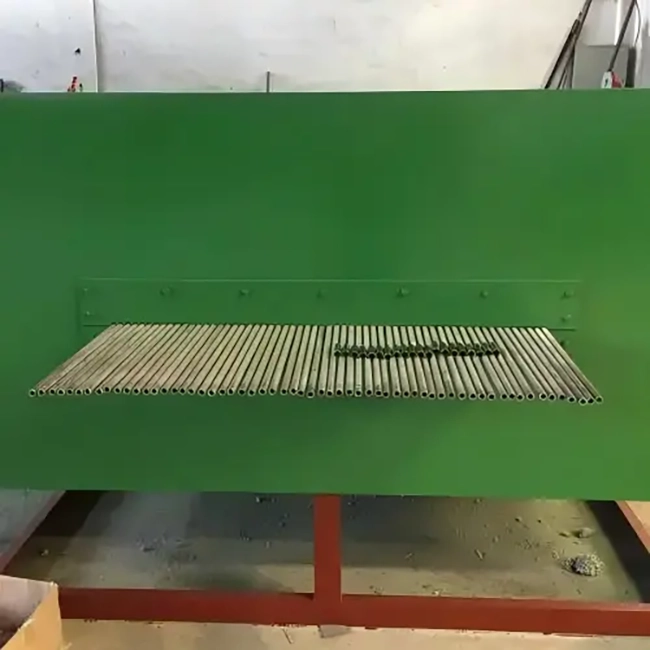
First, let’s start with the basics: a bogie furnace is a type of batch furnace, right? Batch means you load parts in batches, not a continuous line, and the “bogie” part refers to that big, heavy, wheeled platform that pulls in and out of the furnace chamber. Think of it like a train flatcar, but built to hold thousands of pounds of metal and withstand super high temperatures (we’re talking up to 1,200°C for most models, some even higher for specialty jobs). Unlike box furnaces where you have to lift parts in and out by hand, or continuous furnaces that move parts through on a conveyor, the bogie is a game-changer for big, bulky, heavy parts — the kind that just won’t fit on a conveyor or be easy to move around.
So what do we actually use these things for? Let’s get into the common applications, because that’s where most of the value lands. The biggest one is annealing. A lot of metal parts, like steel forgings, cast iron components, or even large tooling, get hard and brittle after manufacturing. Annealing heats them up slowly, holds them at a specific temperature for hours, then cools them down gradually. That softens the metal, relieves internal stresses from forging or casting, and makes it way easier to machine later. I recently worked with a construction equipment manufacturer that had 5,000-pound steel frames for excavators; they couldn’t put those through a regular furnace because they were too big, so a bogie furnace was the only way to anneal them evenly without cracking.
Another huge use is tempering. Tempering is similar to annealing but usually done after quenching (hardening) to reduce brittleness. After you harden a steel part, it’s super strong but also super prone to breaking if you drop it or put it under stress. Tempering heats it to a lower temperature than hardening, adjusts the microstructure of the metal, and makes it tough instead of fragile. We supply a lot of bogie furnaces to the automotive sector for parts like crankshafts, gears, and axles — those are heavy, precision parts that need to be both strong and tough. A bogie furnace lets them load multiple crankshafts on the bogie, heat them uniformly, and avoid the hot spots or uneven cooling that can ruin a high-value part.
Then there’s normalizing, which is another heat treatment process for steel. Normalizing is used to refine the grain structure of metal, improve mechanical properties, and make the material more consistent across the entire part. It’s super common for large castings, like those used in wind turbines or hydroelectric power plants. Those castings can weigh tons, and without a bogie furnace, you can’t heat them evenly enough to normalize them properly. We had a client in the renewable energy space last year who needed to normalize a 10-ton steel hub for a wind turbine; a regular furnace couldn’t handle that size, so they went with a bogie furnace, and the results were perfect — no defects, consistent hardness across the whole hub.
Wait, what about other less obvious uses? Oh, right, stress relieving, which is like a lighter version of annealing. Sometimes parts don’t need a full anneal, they just need to get rid of the stresses from welding, machining, or forming. For example, a shipbuilding company might weld large steel plates together for a ship’s hull. Welding leaves big internal stresses that can cause the hull to warp or crack over time. A bogie furnace can heat those welded plates to a lower temperature (around 600-700°C) to relieve that stress without changing the overall shape or properties of the plate. That’s way more efficient than trying to do it with other methods, especially since the plates are so big they can’t be moved easily.
Now, why choose a bogie furnace over other options? Let’s be real, a lot of heat treat companies have box furnaces, continuous furnaces, even pit furnaces. But bogie furnaces fill a gap that no other type does. First, size flexibility. If your parts are too big for a box furnace (which usually maxes out at a few feet on each side), a bogie furnace can handle parts up to 20+ feet long, 10+ feet wide, and weighing 50 tons or more. You can’t fit a 15-foot long steel shaft through a pit furnace, that’s for sure. Second, batch processing flexibility. You can load one huge part on the bogie, or 10 smaller parts, whatever you need. Unlike continuous furnaces that are set up for a specific line of parts, bogie furnaces work for custom jobs, prototype parts, or low-volume production where you don’t want to invest in a custom line. Third, temperature uniformity. The bogie is designed to let air circulate around the parts evenly when it’s pulled into the chamber, so you don’t get cold or hot spots that make parts inconsistent. I’ve seen clients switch from old, poorly designed furnaces that had 20-30% defect rates to bogie furnaces with defect rates under 2% — that’s a huge cost savings for them.
But wait, it’s not just large metal parts, right? We also use bogie furnaces for non-ferrous metals sometimes, like aluminum or brass? Yeah, for annealing aluminum extrusion dies, for example. Extrusion dies get super hot when they’re used to push aluminum into shapes, so they need to be annealed regularly to extend their life. A bogie furnace can hold multiple dies at once, heat them evenly, and get them back to working condition faster than any other type of furnace. We also work with companies that do heat treatment for refractory materials, like ceramics used in high-temperature applications. Those materials need to be fired or annealed too, and bogie furnaces can handle the high temperatures required for that without damaging the chamber.
Let me share a quick story to make this real. A few months ago, a tool and die maker reached out to me panicking. They had a set of large forging dies for making truck parts, and their regular furnace broke down, and they had a 2-week deadline to get the dies annealed or they’d lose a big contract. Their dies were 8 feet long, 4 feet wide, and weighed 12,000 pounds — way too big for their box furnaces. We had a mid-sized bogie furnace in our inventory that was available for rush jobs, so they loaded the dies onto the bogie, we heated it to the right temperature, held it for 8 hours, cooled it gradually, and they picked it up the next day. They used the dies perfectly, met their deadline, and now they’re a repeat client. That’s the kind of thing bogie furnaces are made for — solving those big, urgent problems that no other equipment can touch.
Now, let’s talk about who uses bogie furnaces. It’s not just one industry, right? Construction equipment, automotive, renewable energy (wind, solar, hydro), shipbuilding, tool and die, aerospace — even military contractors for big parts like tank components. Any industry that deals with large, heavy metal parts that need heat treatment will have a bogie furnace (or multiple) in their facility. And as a supplier, I’ve seen a big uptick in demand lately, especially from renewable energy companies building those big turbines and power plant equipment — they can’t do their heat treatment without these furnaces.
Wait, are there any drawbacks to bogie furnaces? Let’s be honest, no piece of equipment is perfect. Bogie furnaces are big, so they take up a lot of floor space. They’re also not the fastest option for small parts — if you’re processing 1-inch bolts, a continuous furnace is way more efficient than loading a bogie with a thousand bolts. But for that sweet spot of large, heavy parts, they’re unbeatable. Also, they require regular maintenance, like any furnace, to keep the bogie wheels lubricated, the heating elements in good shape, and the furnace chamber sealed so heat doesn’t escape. But as a supplier, we provide ongoing support, maintenance checks, and replacement parts, so that’s not something clients have to handle alone.
Here’s the thing I always tell people: when your part is too big, too heavy, or too valuable to risk uneven heat treatment, a bogie furnace is the answer. It’s not a one-size-fits-all, but it’s the go-to for all those custom, large-scale heat treatment jobs that other equipment can’t handle. As a supplier, I don’t just sell furnaces — I help clients figure out what they need, whether that’s a standard bogie furnace for regular tempering, a high-temperature model for normalizing, or a custom size for their unique parts. We work with small job shops that only need a few batches a year, all the way up to large manufacturers that need multiple furnaces running 24/7.
If you’re in the market for a bogie furnace, or you’re not even sure if this is the right type of equipment for your heat treatment needs, reach out. I’d be happy to walk through your specific parts, your production requirements, and help you find a furnace that fits. We can also talk about maintenance, rush jobs, or even retrofitting an existing furnace to work better for your needs. At the end of the day, the goal is to help you get consistent, high-quality heat treatment for your parts, without the hassle of dealing with equipment that can’t keep up.
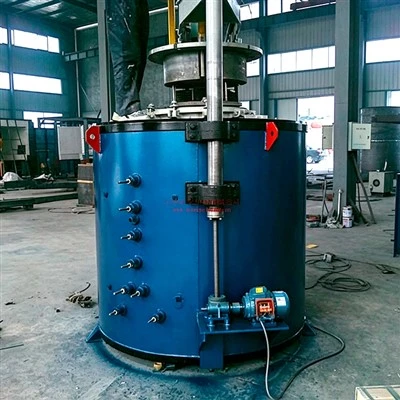
That’s the real deal on what bogie furnaces are used for. They’re not just another piece of industrial equipment — they’re a critical tool for making big, tough metal parts that power everything from construction equipment to wind turbines. If you’re working with parts that are too big for your current furnace, or you’re dealing with defects from uneven heat treatment, don’t hesitate to connect. I’m here to help you sort through all the options and find what works for you.
Gas-Fired Furnace References
- ASM International. (2020). Heat Treater’s Guide: Practices and Procedures for Ferrous Alloys.
- Nuclear Thermal Processing Association. (2022). Industrial Furnace Design and Application.
- Construction Manufacturers Association. (2021). Heavy Equipment Component Heat Treatment Best Practices.
- Renewable Energy Industry Standards. (2023). Turbine Component Manufacturing and Testing.
Jiangsu Fangwei Furnace Industry Co., Ltd.
Jiangsu Fangwei Furnace Industry Co., Ltd. is one of the most professional bogie furnace manufacturers and suppliers in China. With abundant experience, we are committed to providing high quality customized products with competitive price. Please feel free to buy advanced bogie furnace made in China here from our factory.
Address: No.168, HuangNian Bridge, DaoShu Town, Danyang City, JiangSu Province, China
E-mail: fangwei@fwfurnaces.com
WebSite: https://www.fwfurnaces.com/
