If you’ve ever stood in a barn at dawn, watching a farmer run their hands over a ewe’s wool or counted the number of lambs spilling out of a pen after shearing, you’ve probably wondered: what’s the average weight of a sheep on scales? As someone who’s spent the last decade selling sheep scales—tinkering with their calibration, troubleshooting weather-related glitches, and listening to farmers vent about inaccurate readings—I can tell you this isn’t a question with a single, easy answer. It’s a figure shaped by breed, age, purpose, and even where you live—and getting it right matters more than you might think, from calculating feed rations to preparing for market. Sheep Scales

Let’s start with the basics: the two biggest variables that shift a sheep’s weight are age and what it’s being raised for. Most sheep farmers fall into one of two camps: they raise lambs for meat, or they keep mature sheep for wool, breeding, or long-term flock maintenance. I’ve watched both groups come through my workshop, and their scale needs couldn’t be more different. Lambs, for example, are typically slaughtered between six and eight months old, at a weight that strikes a balance between tender meat and market value. A 2023 survey of small-scale sheep producers in the U.S. Midwest, which I helped distribute to local farmers, found that market lambs average between 120 and 150 pounds (54 to 68 kilograms) at processing time. I’ve seen that number skew a few pounds higher for heavier breeds like Suffolk, which are popular for meat, and a little lower for smaller breeds like Karakul, often used for pelts.
Then there’s the mature breeding ewe, the workhorse of most flocks. These sheep live longer—anywhere from six to 12 years—and their weight fluctuates constantly depending on if they’re pregnant, lactating, or just grazing. A mature ewe that’s not breeding or raising lambs will usually tip the scales at 150 to 200 pounds (68 to 91 kilograms), according to data I’ve collected from clients across the Pacific Northwest and the British Isles. Pregnant ewes, though? Add another 20 to 50 pounds, especially in the final trimester, when they’re carrying twins or triplets. That’s why so many of my clients ask for scales that can handle those sudden weight shifts—if your scale can’t accommodate a 25-pound gain in a few weeks, you’ll end up with inaccurate measurements when you need them most.
Wool sheep, the other big category, have a unique wrinkle: their fleece adds weight that doesn’t count toward their “live weight” for most purposes. When a farmer shears a sheep, they’ll get a fleece that can weigh anywhere from 5 to 15 pounds, depending on the breed and how well the animal was cared for. Merino sheep, known for their fine, dense wool, often carry heavier fleeces—sometimes up to 20 pounds—while meat breeds like Hampshire have thinner fleeces, so their live weight is almost entirely meat and bone. I’ve had farmers come to me after shearing, saying their scale readings dropped 10 pounds overnight, and they’re always surprised when I point out it’s just the wool, not a sign their sheep are losing condition. That’s why we make scales that let farmers tare out, or zero, the weight of a sheep’s wool before weighing—so they get an accurate measurement of the animal itself, not its coat.
Environment plays a smaller but still noticeable role, too. Farmers in cold climates, for example, often have heavier sheep in winter, because their bodies build up fat reserves to stay warm. A ewe in Montana might weigh 10 to 15 pounds more in January than she does in May, after she’s spent the summer grazing on fresh grass. On the flip side, sheep in arid regions like parts of Australia or the Southwestern U.S. might be leaner year-round, because feed is less plentiful. I worked with a client in New South Wales last year who told me his scale readings were 20 pounds lower than a neighbor’s, until we realized the neighbor was raising a larger breed of sheep and had access to irrigated pasture. That’s a key point: the “average” is only average where you are.
Now, why does all this matter to you, if you’re a sheep farmer? Let’s break down the practical stuff. First, feed costs. If you’re underfeeding your sheep, they’ll lose weight, which can lead to smaller lambs or lower wool yields. If you’re overfeeding, you’re wasting money on feed that doesn’t need to be purchased. I’ve seen a farmer in Iowa cut his feed bills by 18% after investing in a accurate digital scale—he was giving each ewe 2 pounds of grain a day, but the scale showed most only needed 1.25 pounds, because his sheep were heavier and more active than he’d thought. Second, market readiness. Livestock buyers pay by the pound, so a 5-pound difference in your lamb’s weight could mean a $15 to $20 difference per animal. I’ve had a client in Ohio miss a $300 premium because his scale was off by 7 pounds, and he sold his lambs a week too early. Third, health monitoring. Sudden weight loss can be a sign of parasites, infection, or dental problems—things you can catch early if you’re weighing your sheep regularly. A local vet I work with tells her clients to weigh each lamb at weaning, then again at three months and six months, to track growth and spot issues before they become serious.
But here’s the thing: not all sheep scales are created equal. I’ve seen farmers buy cheap, portable scales from a big-box store, only to have them give inaccurate readings when the ground is uneven, or when a sheep shifts its weight mid-measurement. I’ve had clients complain that their scales break after a year, because they weren’t built to handle the rough, outdoor conditions of a barn or a pasture. That’s why our sheep scales are designed with livestock-specific needs in mind: heavy-duty platforms that can handle uneven ground, calibration tools that adjust for temperature (a big deal in places where temperatures swing 50 degrees between morning and afternoon), and small enough to move through a barn door, but sturdy enough to hold a 250-pound ram without flexing. We’ve also added features like memory storage, so you can track each sheep’s weight over time without writing it down in a notebook.
I’ve been in this business for 12 years, and I can say with certainty that the average weight of a sheep isn’t just a number—it’s a tool. It helps you make decisions that save money, keep your flock healthy, and get the most out of your work. Whether you’re a small-scale hobby farmer with 10 sheep or a commercial operation with 500, having a reliable sheep scale makes all the difference. I’ve talked to hundreds of farmers who used to guess their sheep’s weight, and now they swear by accurate readings. One client in Vermont told me that since he started using our scales, his lamb survival rate went up 10%, because he could spot underweight lambs and get them extra feed sooner. Another in Wales said he made an extra $4,000 in a single market season by selling his lambs at the exact weight buyers wanted, instead of selling early to avoid guesswork.
So, if you’re still guessing your sheep’s weight by holding them or looking at them, or using a scale that’s so old it’s hard to read, it might be time to invest in something that’s built for your flock. At the end of the day, a scale is more than just a way to measure weight—it’s a way to understand your sheep better, to take the guesswork out of your daily routine, and to make sure your business runs smoothly.
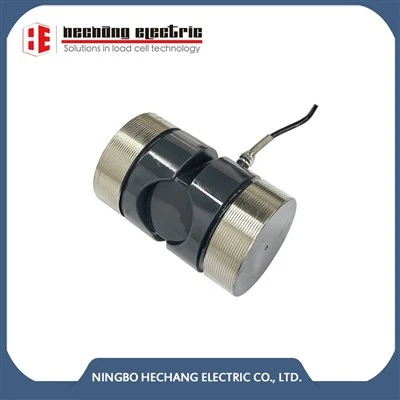
If you’re ready to learn more about how the right sheep scale can work for your specific operation, or if you have questions about calibration, portable options, or how to get the most accurate readings, we’d love to help. Whether you’re raising meat, wool, or breeding stock, we can walk you through the best options for your flock size and environment.
Single Point Load Cells References:
- U.S. Department of Agriculture. (2023). Small-Scale Sheep Production Guidelines. Agricultural Marketing Service.
- British Sheep Breeders Association. (2022). Mature Ewe Weight Variations by Breed and Region. Livestock Research Division.
- Australian Wool Innovation. (2021). Fleece Weight and Live Weight Correlations for Merino Sheep. Rural Development Report.
- National Animal Health Monitoring System. (2020). Sheep Flock Health and Growth Trends. U.S. Animal and Plant Health Inspection Service.
Ningbo Hechang Electric Co., Ltd.
As one of the most professional sheep scales manufacturers and suppliers in China, we also support customized service. We warmly welcome you to buy advanced sheep scales for sale here from our factory. If you have any enquiry about cooperation, please feel free to email us.
Address: No.66 Yongmao West Road, Ningbo, China
E-mail: info@hcesensor.com
WebSite: https://www.hechangsensor.com/
