If you work in industries like oil and gas, water distribution, chemical processing, or power generation, you know how critical flanges are. These metal connectors seal pipe joints, prevent leaks, and keep operations running smoothly—until something goes wrong. A broken flange, whether it’s a crack, corrosion, bolt hole damage, or a partial fracture, can shut down production, waste resources, and even create safety hazards. At some point, every site faces this question: Can a flange repair clamp fix a broken flange? As a supplier of these clamps, I’ve answered this hundreds of times, and the short answer is: yes—when used correctly. Let’s break down what makes flange repair clamps effective, when they work best, and why they’re a go-to solution over old-school fixes like welding or flange replacement. Flange Repair Clamp
First, let’s get clear on what a broken flange actually is. Flanges are usually made of carbon steel, stainless steel, or alloy steel, designed to handle high pressure, extreme temperatures, and constant exposure to corrosive substances. Common damage includes: small to medium cracks from stress cycles (like thermal expansion and contraction in pipelines), corroded areas that eat through the flange’s sealing surface, stripped or damaged bolt holes that stop you from tightening bolts evenly, and even partial breaks where the flange has split along its circumference. The last thing you want when that happens is to scramble for a fix that takes too long, costs too much, or doesn’t hold up.
Welding the broken flange is a common old approach, but it’s not always the right choice. Welding requires heating the flange material, which can introduce warpage, residual stress, or even cracks in the metal around the weld. For applications with high pressure (like gas pipelines or chemical processing lines), those new stress points can lead to catastrophic failures down the line. Plus, welding isn’t safe for flanges carrying flammable, toxic, or corrosive fluids—open flames can ignite the contents inside the pipe. Replacing a flange, on the other hand, means shutting down the pipeline, draining all fluid from the line, aligning the new flange, and pressure-testing after installation. That can take hours or even days, depending on the pipe size and location. For many operations, every minute of downtime costs thousands of dollars. That’s where flange repair clamps step in.
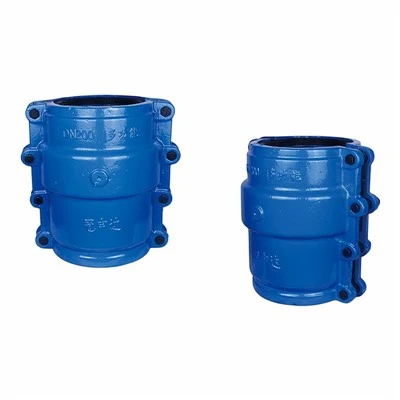
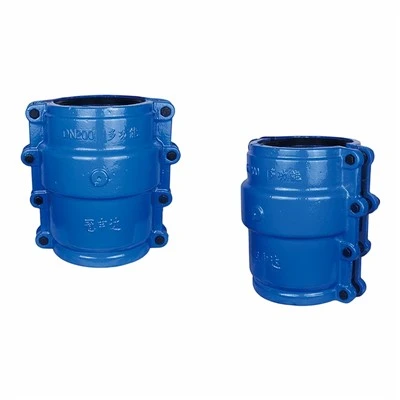
So what is a flange repair clamp, exactly? Unlike generic pipe clamps that just wrap around a pipe, a proper flange repair clamp is engineered specifically to address flange damage. It’s a two-part split design (it comes in halves that you assemble around the flange, no need to slide it on from the end of the pipe) with a sealing element inside that creates a leak-proof barrier over the damaged flange area. The clamp has stainless steel bolts that pull the two halves tight, creating uniform pressure across the flange’s surface, and it’s rated for the exact pressure and temperature of your application.
Now, let’s get to the core question: can it fix a broken flange? Let’s look at the scenarios where it works perfectly. If your flange has a small to medium crack (up to 50% of the flange’s diameter, in most cases) or localized corrosion on the sealing face, a flange repair clamp is a ideal fix. The clamp’s sealing element (usually a high-grade elastomer like EPDM, Buna-N, or Viton, matched to your fluid’s chemical compatibility) covers the damaged area, while the clamp’s metal body reinforces the weakened flange, preventing the crack from spreading. For bolt hole damage—say you stripped a hole or one broke clean off—the clamp doesn’t even need to use the original bolt holes. It has its own sealing system that doesn’t rely on the flange’s original bolt circle, so you don’t have to drill new holes or patch the damaged ones. This cuts out so many steps: no welding, no draining the entire line (in many cases, you can do a live repair if the pressure is within the clamp’s rating), and installation can take as little as 30 minutes for a small 4-inch flange, compared to hours for flange replacement.
But here’s the thing: flange repair clamps aren’t a universal fix. They work for a wide range of flange issues, but they have limits, and it’s important to know when they’re the right call. Let’s outline the cases where a flange repair clamp works, and when it’s not the best option.
First, when it works:
- Small to medium cracks or partial fractures: As long as the flange isn’t split all the way around its circumference, a repair clamp can reinforce the damaged area. The clamp’s body distributes pressure evenly, stopping the crack from growing further.
- Localized corrosion or sealing surface damage: If only a section of the flange’s face (the part that seals against the mating flange) is corroded or pitted, the clamp’s sealing element covers that damaged section, creating a new, effective seal without needing to machine or replace the entire flange.
- Damaged bolt holes (stripped, broken, or misaligned): Repair clamps don’t depend on the original bolt holes for structural integrity or sealing. The two halves of the clamp are bolted tight around the flange, so you don’t have to deal with patching or re-damaging the flange to fit new bolts.
- Pressure and temperature ratings within the clamp’s specifications: Flange repair clamps are engineered for specific working pressures, usually up to 232 PSI (for standard models) and temperatures ranging from -40°F to 300°F (or higher for specialized units). As long as your operating conditions fall within these ranges, the clamp will hold up.
Now, when it’s not the right fix:
- The flange has a full, circumferential split: If the flange is broken all the way around, the repair clamp can’t provide enough structural support to prevent it from failing. In that case, you’ll need full flange replacement.
- The flange is made of brittle material with extreme damage: If a cast iron flange has a crack that goes all the way through the flange body (not just the sealing face), a repair clamp isn’t strong enough to reinforce it—cast iron is prone to further cracking under the clamp’s pressure.
- Operating conditions exceed the clamp’s rating: If your pipeline runs at 300 PSI or 500°F, a standard flange repair clamp won’t hold, and you’ll need a specialized high-pressure or high-temperature repair solution, like a welded hub adapter or custom flange.
Let’s talk about a real example to make this concrete. A few months back, a mid-sized chemical processing plant in Texas called us in a panic. One of their 6-inch carbon steel flanges on a caustic soda line had developed a 3-inch crack along its sealing face, caused by thermal cycling from frequent shutdowns and startups. Welding wasn’t an option—caustic soda is highly flammable, and open flames near the line would have been a major safety hazard. Replacing the flange would have meant draining the 500-foot line segment, shutting down production for a full 12 hours, and costing an estimated $18,000 in lost output and labor. We sent our team with a standard 6-inch flange repair clamp, matched with a Viton sealing element (compatible with caustic soda). They installed it in 45 minutes, pressure-tested the line in 10, and the clamp has held for over 8 months with no leaks. That’s the kind of win flange repair clamps deliver.
Another common use case: water distribution systems. Municipal water lines are often made of ductile iron flanges, which can corrode over time, especially in areas with acidic water. A city in the Midwest had a 8-inch flange on a water main that had a corroded sealing surface, leading to slow leaks that were wasting 2,000 gallons of water a day. Replacing the flange would mean digging up the line, a process that takes 2 days and disrupts local traffic for blocks. Instead, they used a flange repair clamp with an EPDM sealing element, installed in an hour, stopped the leaks immediately, and cost less than a quarter of the flange replacement price.
Now, let’s address a common myth: some people think repair clamps are just a temporary fix, a band-aid until you can replace the flange. That’s not true—when installed correctly and matched to the right application, flange repair clamps are a permanent solution. Our clamps are made from heavy-duty, corrosion-resistant materials like 316 stainless steel, and the sealing elements are rated for long-term exposure to chemicals, water, and temperature fluctuations. We’ve had clamps in the field for over 10 years with no issues, on pipelines that run 24/7. The key is choosing the right clamp for your specific damage, not just grabbing any off-the-shelf model.
That’s why it’s so important to work with a supplier that understands both flanges and repair clamps. A lot of generic pipe repair clamps on the market are designed only for pipe leaks, not flange damage. They’re not engineered to distribute pressure evenly across the flange’s sealing face, so they can cause more damage or leak prematurely. A proper flange repair clamp has a design that wraps fully around the flange, covers the sealing surface and the bolt holes, and has bolts that apply uniform pressure, so you don’t get uneven sealing that leads to leaks.
So, to circle back to the original question: Can a flange repair clamp fix a broken flange? The answer is yes, when the damage is within the clamp’s capabilities, you choose the right clamp for your material, fluid, and operating conditions, and you have it installed correctly. It’s faster, safer, and often more cost-effective than welding or full flange replacement.
At the end of the day, no operation wants unplanned downtime. When a flange breaks, you need a solution that gets you back online without cutting corners on safety or quality. Flange repair clamps have proven themselves in thousands of applications across industries, from small water mains to large oil and gas pipelines. They’re not a one-size-fits-all fix, but for the vast majority of common flange damages, they’re the best option.
If you’re dealing with a broken flange, have questions about whether a repair clamp will work for your specific situation, or need a quote for a custom-sized clamp for your application, reach out to our team. We’ll help you assess the damage, confirm the clamp’s compatibility with your pipeline, and walk you through installation best practices to make sure the fix lasts. Don’t let a broken flange derail your operations—let us help you find the right solution fast.
Flange Repair Clamp References
- American Petroleum Institute (API) Standard 6A, Specification for Wellhead and Christmas Tree Equipment
- American Water Works Association (AWWA) Standard C207, Flanges and Flanged Fittings for Water Works Services
- Manufacturing Chemists Association (MCA) Guidelines for Repair of Pressure Piping Systems
- Pipeline and Hazardous Materials Safety Administration (PHMSA) Guidelines for Onshore Pipeline Repairs
Fujian Fufa Valve Manufacturing Co., Ltd.
As one of the most professional flange repair clamp manufacturers and suppliers in China, we’re featured by quality products and good price. Please rest assured to buy durable flange repair clamp made in China here from our factory. Welcome to view our website for more information.
Address: Meilin Xikou Industrial Zone, Nan’an City, Quanzhou City, Fujian Province
E-mail: hongwenjin@fufafamen.cn
WebSite: https://www.fufavalve.com/
