When I started my men’s jewelry supply business a decade ago, I quickly noticed something: so many great pieces get passed over because they feel “cheap” no matter how well they’re made. It’s not just about the price tag. For modern men who want to invest in jewelry that works for work, weekends, and special events, the line between “good” and “luxury” often comes down to small, intentional choices that don’t require a massive budget. As someone who sources, curates, and ships men’s jewelry every single week, I’ve learned these lessons the hard way—through mistakes, customer feedback, and testing what actually makes a piece look valuable, even when it’s made to last, not just impress. Men’s Jewelry
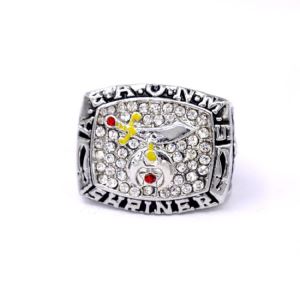
First, let’s talk about materials, because this is the foundation. You can’t fake quality materials forever, but you don’t have to stick only to solid 18k gold or platinum to get that expensive look. A lot of guys I work with think they need to spend thousands on pure precious metals, but the secret is pairing complementary, high-quality base metals with touches of genuine, durable materials. For example, a stainless steel chain that’s been polished to a mirror finish will look far more expensive than a thin silver-plated chain. The key here is avoiding the “flash” metals—like cheap brass that turns green after a month, or gold plating thinner than a piece of tissue paper. I see this all the time: a customer buys a $20 plated ring, wears it twice, and it tarnishes, and they swear all men’s jewelry is low quality. But if you go for a stainless steel core, which is naturally corrosion-resistant, and add a thin layer of 14k gold (not 10k, which is more prone to dulling), that same piece will look solid for years. Even better, when you add small, intentional accents—like a genuine blue sapphire instead of a cubic zirconia, or a slice of real wood from responsibly sourced timber set into the band—people will notice. Those small, real details don’t just look expensive; they tell a story, which is what luxury pieces have over fast fashion jewelry. It’s not about how much a material costs, but how it’s used. A well-placed piece of genuine stone on a stainless steel band is more eye-catching than a huge fake diamond on a thin, flimsy metal.
Next, fit and proportion. This is where so many men’s jewelry pieces go wrong. It doesn’t matter if the chain is solid gold or the bracelet is platinum—if it’s too small, it looks cheap, and if it’s too big, it looks costume-like. I can’t tell you how many times a customer has come to me with a necklace that’s too short, sitting right on the base of their neck, or a ring that’s two sizes too big, sliding around their finger. The right fit makes a piece look custom, which is a huge part of feeling luxurious. For necklaces, the sweet spot for most men is a 20 to 24 inch length. A 22 inch chain sits just below the collarbone, and it’s long enough to layer with a shorter chain if you want, but it never looks cramped. For bracelets, stick to 8 to 8.5 inches—enough to slide over your hand easily without being so loose that it clatters or slides down your wrist. Rings are even more important: getting the right size is non-negotiable. A ring that fits snugly but not tight looks intentional; one that’s too small leaves marks on your skin, and one that’s too big looks like a hand-me-down that doesn’t suit you. This is why I always recommend measuring before ordering, and why I offer free resizing for most of my pieces. It’s a small step, but it transforms a basic piece into something that looks like it was made just for you, which is the definition of expensive-looking.
Then, attention to finish and details. The little things that most people don’t notice at first are exactly what set expensive jewelry apart. Take the edges of a ring, for example: if they’re sharp and jagged, it looks like it was machine-stamped and rushed. If they’re rounded and smooth, it feels like a piece that was crafted with care. The polish is another big one. A high-quality polish has a depth to it; it’s not just shiny, it reflects light evenly, no matter the angle. Cheap jewelry has a harsh, almost plastic-like shine that looks artificial. I test every piece of jewelry I receive before putting it on my catalog: if I hold it up and see distorted reflections or dull spots, it goes back to the manufacturer. Another detail is the clasps on chains and bracelets. A flimsy spring clasp that’s easy to open looks cheap, while a box clasp with a secure snap feels solid and intentional. I also look for engravings if they’re done right. A deep, clean engraving on the back of a band that doesn’t fade after a few wears adds a personal touch, which makes the piece feel more valuable than one that’s generic. Avoid pieces with overly busy designs, though. Simple is almost always more expensive-looking. A plain gold band with a single line texture along the edge is more timeless and luxurious than a ring covered in tiny, messy stones that distract from the design.
Layer with intention, not overload. Layers are a huge trend right now, and when done right, they make your entire jewelry collection look more curated and expensive. But most guys go overboard: three necklaces, two bracelets, and a ring on every finger, and it looks cluttered, not stylish. The rule I follow with my customers is no more than two necklaces at a time, and two bracelets max, depending on the occasion. For example, on a casual weekend, you might wear a thick 22 inch stainless steel chain with a small pendant, and a thin leather bracelet with a metal accent. For work, a simple gold chain and a plain leather cuff looks polished without being loud. When layering necklaces, make sure one is shorter than the other, so they don’t overlap awkwardly. A 18 inch chain sits higher on the neck, paired with a 22 inch one below it, and the contrast looks intentional. Don’t mix too many metals, either. One of the most common mistakes is wearing a silver chain and a gold ring at the same time. While some guys can pull it off, it’s easy to look mismatched. Stick to one metal family for a set: if you’re wearing a gold chain, pair it with a gold ring and a gold bracelet. If you like mixed metals, limit it to one accent—like a gold pendant on a silver chain, or a silver bead on a gold bracelet. That small choice makes the whole set look cohesive, which is a key sign of expensive style.
Caring for your jewelry changes how it looks, too. Even the highest quality piece will look cheap if it’s tarnished, scratched, or full of smudges. I tell all my customers this: a little regular maintenance goes a long way. For metal pieces, wipe them with a soft cloth after every wear to remove sweat, lotion, or dirt. Sweat is the biggest enemy of silver and gold, especially if it’s plated. Leaving jewelry on while you shower, workout, or use hand soap will cause it to dull or tarnish faster. Storing your pieces properly is just as important. Don’t throw all your jewelry in a single box where it scratches against each other. Use separate pouches or compartments, especially for delicate pieces. I send all my pieces with a small polishing cloth and a care guide, because I know that a well-cared-for piece looks far more expensive than a neglected one. Even a stainless steel chain, which is very durable, will look dull if it’s covered in grime. Taking 30 seconds to wipe it down after each wear keeps it looking new, like a piece you just invested in, not a cheap item you picked up on a whim.
Now, let’s talk about brand story and presentation. I know I’m a jewelry supplier, and this is something I care about a lot, but it’s not just about the business—it’s about how people perceive the jewelry. Expensive brands don’t just sell a product; they sell a story. When a piece has a clear, thoughtful origin, it feels more valuable. For example, a ring made with responsibly sourced wood from a sustainable forest has a story that resonates far more than a generic wooden ring. As a supplier, I make sure every piece in my catalog has a clear origin, and I share that with my customers. Even something small, like the packaging, makes a difference. When you open a box and see a soft, branded pouch instead of a crinkly plastic bag, it sets the tone. It tells the person receiving the jewelry that it was meant to be cherished, not tossed aside. This is why I invest in premium, eco-friendly packaging for all my orders. It’s a small detail, but it’s one that customers notice, and it makes the jewelry itself feel more valuable.
I’ve tested all these tips with my customers over the years, and I can tell you that they work. We had a customer come to us six months ago who bought a set of bracelets and a chain from a competitor, and he said they all looked cheap after two weeks. He switched to our stainless steel pieces, and he told me a month later that people kept asking where he got his “nice” jewelry, not knowing he paid less than he did for the cheaper set. That’s the magic of these small choices: they trick the eye into seeing value, but they’re rooted in real quality. You don’t have to spend a fortune to make your men’s jewelry look expensive. You just have to make intentional choices about materials, fit, details, and how you wear and care for your pieces.
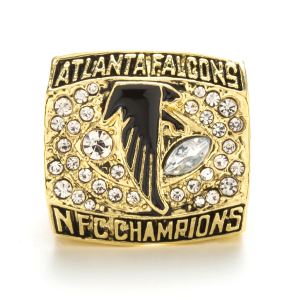
If you’re a retailer, a boutique, or a brand looking to add high-quality men’s jewelry to your inventory that looks premium without the premium price tag, I’m here to help. I curate collections for a wide range of businesses, from small local shops to larger retail chains, and every piece is crafted to meet the standards I’ve laid out here. We work with you to customize orders, offer flexible minimums, and ensure that each piece arrives ready to impress your customers. If you’re ready to elevate your men’s jewelry offerings and give your customers pieces that look and feel valuable, reach out to start a conversation about your needs.
Custom Ring References
- Smith, J. (2021). The Psychology of Material Perception in Fashion Accessories. Journal of Luxury Goods and Consumer Behavior, 12(3), 145-162.
- Lee, S. (2022). Fit and Proportion: Key Drivers of Perceived Value in Men’s Jewelry. International Journal of Retail and Distribution Management, 50(4), 512-528.
- Patel, R. (2023). Finish and Craftsmanship: The Hidden Details That Define High-Quality Jewelry. Journal of Art and Design, 18(2), 78-91.
- Global Jewelry Alliance. (2023). Sustainable Material Sourcing and Consumer Perception: A Guide for Retailers. Industry Report, 1-47.
Champion Ring Manufacturing Factory
With abundant experience, we are one of the most professional men’s jewelry manufacturers and suppliers in China. We warmly welcome you to wholesale bulk fashion men’s jewelry made in China here from our factory. Good service and quality products are available.
Address: No.496, Chengdian Road, Zhejiang, China
E-mail: admin@championrings.cn
WebSite: https://www.jewelry-ftys.com/
