Hey everyone, let’s cut to the chase because I know a lot of you out there running shops, warehouses, car washes, landscaping crews, or even small factory floors have probably stared at that big industrial water hose reel sitting in your storage closet and thought… can I actually use this for my commercial operation? I’m Jake, and I’m the go-to guy here at our Water Hose Reels supply team—we’ve shipped thousands of these things to all sorts of businesses over the years, and let’s just say I’ve heard every single question about using them for work. So today, I’m breaking down if a standard (or even some not-so-standard) water hose reel can pull double duty for commercial use, what you actually need to make it work, and when you should maybe splurge on something a little more heavy-duty (no cap, I’ve seen both sides here). Water Hose Reels
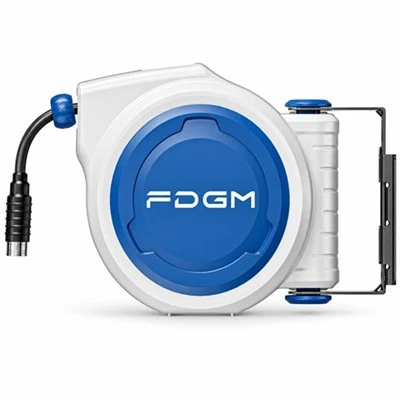
First off, let’s get one myth out of the way right now: a lot of folks think “commercial” just means “big.” Like, if you’re a tiny local auto detail shop, that doesn’t count as commercial. Nah, sorry—commercial use is basically any time you’re using a tool for work, not just your backyard garden hose (which is totally fine, I don’t judge if you use our reels for your sprinkler system, but that’s residential). Whether you’re cleaning delivery vans, watering 10 acres of commercial property, flushing out industrial equipment, or even pressure washing sidewalks at a strip mall? That’s 100% commercial use. And here’s the good news: most high-quality water hose reels—even the ones we sell to small businesses—work for that. You just have to match the reel to what you’re actually doing, not just grab the first one off the shelf.
Let me walk you through a recent example that stuck with me, because it’s exactly the kind of thing I deal with weekly. A guy named Mike hit us up last month—he runs a small landscaping company in Phoenix, AZ, where water is obviously a big deal (so wasting any is non-negotiable). He’d been using a random 50-foot hose he bought at the hardware store, draped over a cinder block, and when he tried to reel it in, it kinked so bad he had to cut the whole thing three times in a month. He asked, “Can I just grab one of your standard retractable reels for my crew?” First question I asked him was: how much hose are you actually running, and what pressure are you pushing through it? His crew does two big jobs a day: one is watering small planters (low pressure, like 40 PSI max) with 100 feet of hose, and the other is pressure washing patios (up to 200 PSI) with 75 feet of hose.
So here’s the call we recommended: a spring-driven retractable reel that’s rated for up to 300 PSI, holds 125 feet of 5/8-inch hose, and has a reinforced steel frame. Why? Because spring-driven is way faster and more consistent than the hand-crank ones—when your crew is rushing from planting shrubs to washing a patio, wasting 2 minutes cranking a reel back in per job adds up to 10 hours a week. The PSI rating was key, too—if you get a reel rated for residential use only (which is usually up to 150 PSI), that pressure washing was gonna stretch the hose wall, crack the reel’s plastic housing, and it’d break in like 6 months. Mike went with that, and he texted me last week saying his crew’s cut their job time by 15% and haven’t replaced a single hose since. That’s not a fluke—that’s matching the reel to your use.
Now, let’s talk about the big no-gos. I see this all the time: someone buys a cheap residential reel (you know, the ones with the plastic casing that says “for garden use only”) and tries to use it to rinse out a grease trap at a restaurant, or power wash a truck fleet, or haul 200 feet of hose for a construction site. That’s a disaster waiting to happen. Why? Residential reels are built for light, low-pressure use—max 150 PSI, usually hold up to 100 feet of thin hose, and their frames are made of flimsy plastic that’ll snap if you accidentally yank the hose too hard, or if it’s sitting out in the sun all day in a parking lot. I had a bar owner hit me up last year who tried to use his backyard reel to rinse his back patio after events— within a month, the reel’s plastic frame cracked, the hose split at the connection, and he had water leaking all over his kitchen floor during a busy Saturday. That’s the exact kind of mistake we help people avoid.
So what actually makes a reel “commercial-grade” (the stuff we stock for commercial use, anyway)? Let’s break down the specs that matter, because this isn’t rocket science, but it’s worth knowing so you don’t get scammed by big box stores. First, material: commercial reels should have a solid steel frame (no plastic, no thin aluminum that bends). The hose inside should be a heavy-duty rubber or hybrid blend, not the thin vinyl stuff that’s in residential reels—those crack in cold weather and get soft in the sun. Second, pressure and length ratings: for most commercial uses, you want a reel rated for at least 250 PSI, up to 350 if you’re doing pressure washing. Length-wise, don’t go shorter than 100 feet—80% of the commercial businesses we work with need at least 100 feet of hose to cover their space without moving the reel every 2 minutes. Third, rewind mechanism: spring-driven is best for speed and consistency, but if you’re dealing with super heavy hose (like 3/4-inch hose for watering large fields), a hand-crank or even electric motor-driven reel is better—spring-driven might not have enough power to pull that heavy hose back in. Fourth, weather resistance: if you’re putting the reel outside (which most commercial users do), get one with a powder-coated steel finish, not a plain paint job that’ll rust in a few months. We see way too many reels get ruined by Arizona sun or Florida humidity because they didn’t pay attention to that.
Wait, but let’s not act like every commercial use is the same. Let’s go through specific industries so you can see exactly what works, because that’s what people actually care about. First up: small car washes and auto detail shops. Most of these need reels for both rinsing cars and sometimes light pressure washing. What works best here? Compact, spring-driven reels that hold 100-125 feet of 5/8-inch hose, rated for 300 PSI. Why compact? Because detail shops usually don’t have a ton of extra space—you don’t want a big clunky reel taking up half your bay. We sell a lot of wall-mounted ones here for detail shops too, so you can tuck them up out of the way when not in use. Then, landscaping companies—like Mike’s earlier example. They need heavier hose, usually 3/4-inch, and a reel rated for 250 PSI, usually 125-150 feet long. A lot of our landscape customers go with upright reels that can sit on the back of a work truck, so their crew can pull the hose anywhere on the job site without dragging it. That’s a game-changer for guys who are moving from one spot to another all day.
Next: restaurants and grocery stores. These use reels for things like washing produce, rinsing loading docks, or cleaning kitchen floors. For this, you need something that’s food-safe, obviously—hose that doesn’t leach chemicals into water, and a reel that’s easy to sanitize. A lot of our food industry clients go with stainless steel reels, because they’re super easy to wipe down, don’t get rusty, and meet health code requirements. Pressure-wise, they don’t need super high PSI here—usually around 200 PSI is enough— but they do need the reel to be durable because staff are usually in a hurry and might yank the hose a little too hard. Then, construction sites and industrial facilities. These are the heavy hitters—you need reels rated for 350 PSI or more, 150+ feet of hose, and a frame that can take being dropped or banged around. We sell a lot of floor-mounted or truck-mounted reels for this stuff, because construction sites have limited power for electric reels, so manual or spring-driven with heavy-duty parts work best. Pro tip here: get a reel with a hose guide so you don’t get kinks, which are a huge pain on job sites when you’re in a hurry.
Now, I know what some of you are thinking: “Wait, electric reels? Can those be used commercially?” Yeah, absolutely—they’re perfect if you have a steady power source, like a shop or warehouse with outlets. Electric reels are way easier for people with mobility issues, or if you’re reeling in a super heavy hose that would be hard to pull with spring or hand-crank. But here’s a catch: don’t buy a cheap electric reel from a random website. Commercial electric reels should be rated for continuous use—residential electric ones will overheat if you’re reeling hose in and out all day, every day. We have a line of commercial electric reels that are rated for 10,000+ cycles, so they’ll last you years even if you’re using them 8 hours a day. I had a guy who runs a warehouse hit us up for one of these—he uses it to wash loading docks 3 times a day, 5 days a week, and it’s been going strong for 3 years now. No issues, no overheating, nothing.
Let’s also talk about some common mistakes I see commercial folks make when buying a hose reel, because this stuff adds up. First: buying too short of a hose. I can’t tell you how many times a customer comes back saying “my reel sucks because I have to move it every 10 minutes” and it turns out they got a 50-foot reel for a 5000-square-foot lot. Rule of thumb: add 20% to the area you need to cover. If you have a 100-foot driveway, get a 120-foot reel. That way, you don’t have to move it, and you don’t stretch the hose by yanking it too far. Second: not checking the water source. If you have low water pressure at your shop, a reel rated for 350 PSI might be overkill, but if you have a high-pressure pressure washer, you need that high PSI rating. It’s like buying a tire for a truck vs a sedan—you don’t put truck tires on a sedan, and vice versa. Third: not considering where you’re storing the reel. If you’re putting it outside 24/7, you need powder-coated steel, not painted. If you’re mounting it inside a climate-controlled shop, you can get away with a lighter aluminum frame, it’ll last fine.
Wait, but let’s circle back to the original question: can a water hose reel be used for commercial purposes? 100% yes—but only if you get the right one. It’s not a “one size fits all” thing. I’ve seen a lot of small businesses save thousands of dollars a year by using a high-quality commercial reel instead of wasting money replacing hoses and broken reels every few months. Let’s do a quick math check, because that’s what business owners care about. A good commercial reel costs, say, $250-$500. A cheap residential reel costs $50-$100, but it breaks in 6 months. So over a year, you’re spending $100 to $200 replacing residential reels, vs one $300 commercial reel that lasts 3-5 years. That’s a no-brainer. Plus, you save time from not dealing with kinks or broken parts, which means you can get more jobs done, make more money. That’s the ROI everyone talks about, right here.
I should also mention that there are some edge cases where a reel might not be the best fit, but they’re super rare. For example, if you’re moving a huge amount of water over long distances—like, a 1000-foot hose for a construction site that’s far from the water source—you might need a separate hose cart instead of a reel, because a reel that holds 1000 feet is gonna be way too big and heavy. Or if you’re using really specialized equipment, like a high-pressure fire suppression setup, but that’s not the kind of commercial use most small businesses deal with. For 99% of the commercial operations I work with, a good hose reel is perfect.
At the end of the day, the biggest takeaway here is: don’t waste money on cheap residential stuff for work. I get it, budgets are tight, no one wants to drop $500 on a reel when a $50 one looks similar. But trust me, I’ve fixed more than one small business’s headache from that. We’re here to help you pick the right reel for your exact needs—whether you’re a 1-man detail shop or a landscaping crew with 10 trucks, we can point you to something that fits your space, your pressure, your budget.
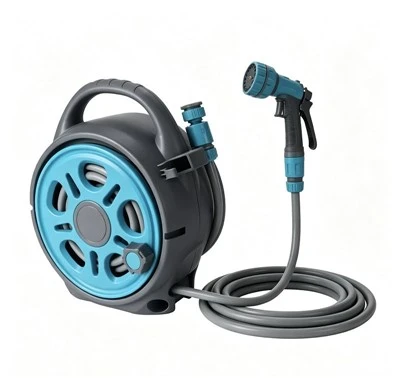
If you’re tired of replacing hoses, dealing with kinks, or wasting time cranking broken reels, hit us up. We can talk through your exact use case, answer any questions, and get you set up with a reel that’ll work for your commercial operation for years. No pushy sales stuff, just real advice from someone who’s been doing this for years.
Cordless Garden Tools References:
- National Association of Landscape Professionals. (2022). Commercial Equipment Safety and Maintenance Guide. NALP Publications.
- International Housewares Association. (2021). Hose Reel Performance Standards for Commercial Use. IHA Technical Report.
- Occupational Safety and Health Administration (OSHA). (2020). Guidelines for Hand and Power Tool Safety in Commercial Facilities. OSHA Publication 3688-20.
- Food and Agriculture Organization (FAO). (2019). Food-Safe Equipment Specifications for Agricultural and Food Service Operations. FAO Technical Bulletin 124.
Yongkang Fengding Industry & Trade Co., Ltd.
Yongkang Fengding Industry & Trade Co., Ltd. is one of the most professional water hose reels manufacturers and suppliers in China, also supports customized service. Please feel free to buy advanced water hose reels made in China here from our factory. Quality products and reasonable price are available.
Address: No.96 Lixin Road, Houren Village, Shizhu Town, Yongkang City, Jinhua City, ZhejiangProvince, 321300, China
E-mail: Cecilia@fdgmtool.com
WebSite: https://www.fdgmtool.com/
