If you’re a packaging manufacturer relying on blister round cover cutting machines to keep production lines running, there’s nothing more disruptive than a sudden jam. I’ve spent the last 12 years selling, installing, and troubleshooting these machines—countless times, I’ve walked into a factory floor mid-shift to find operators staring at a half-cut blister stack, tools scattered, and production halted for hours. Jams don’t just waste time; they ruin materials, slow order fulfillment, and put unnecessary stress on your team. After working with hundreds of clients across food, pharmaceutical, and consumer goods packaging, I’ve learned that most jams are preventable with small, consistent steps—not just quick fixes when something breaks. This isn’t about complex overhauls; it’s about routine care, operator training, and aligning machine settings with your specific blister materials. Blister Round Cover Cutting Machine
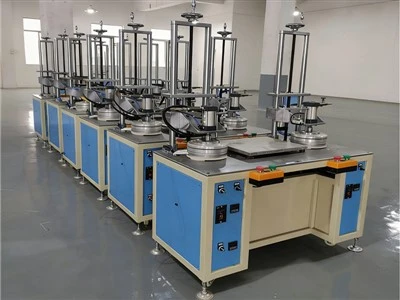
First, let’s break down what causes most blister round cover cutting machine jams, because solving a problem starts with understanding it. Unlike flat die cutting equipment, round cover cutting machines spin a cylindrical die around a rotating base plate, cutting perfect circular edges into blister packs as they feed material through. Most jams happen in three key areas: the feed system, the die itself, or the waste trim removal area. I’ve seen jams caused by a single misaligned feeding roller as often as a dull die blade, and even once by an operator skipping a simple filter check after a weekend shutdown. Let’s start with the most overlooked: routine maintenance that’s not just “fix when broken” but proactive.
For new machine operators, and even veteran ones who’ve gotten complacent, the feed system is the number one jam culprit. The feed assembly is designed to pull blister film or cardstock from your roll stock and align it perfectly with the rotating die. If the feed rollers are dirty, worn, or misaligned, they’ll pull material unevenly, creating slight wrinkles or misalignment that compounds as the die spins. Last year, a mid-sized pharma packaging plant called me in after they experienced a 4-hour halt that cost them over $12,000 in missed orders. Turns out, their feed rollers had a build-up of blister adhesive from weeks of unwashed use. The adhesive made the rollers slip, so one side of the blister film pulled 2mm further than the other—when the die hit, it caught the wrinkled edge and tore the material, sending shards jammed between the die and base plate.
Fixing this is simple, but it’s about making it a scheduled step, not a afterthought. I tell all my clients to do a quick visual check of the feed rollers at the start of every shift, and a deep clean with a non-abrasive, solvent-free wipe (anything too harsh can scratch the roller surface, making slippage worse) once every 8 hours of run time. If you work with high-adhesive blister materials—common in pharmaceutical blisters—schedule a full disassembly and cleaning of the feed assembly once a week. Also, regularly check the tension on the feed rollers: too loose, and they slip; too tight, and they stretch the material, causing it to buckle as it reaches the cutting area. Most machines have a simple tension adjustment knob marked for material type, but many operators don’t recheck this when switching between blister PVC (rigid) and PET (flexible). A 10-second tension check after a material change eliminates 30% of feed-related jams, per data from the Packaging Machinery Manufacturers Institute (PMMI) — and that’s a stat I rely on to back up the steps I share.
Next, the die itself. Dull blades or misaligned dies are the second most common cause of jams. A rotating die’s blade sits just above the base plate, and the gap between them has to be perfectly calibrated—usually between 0.1mm and 0.3mm, depending on the material. If the gap is too wide, the blade will tear instead of cutting clean; too narrow, and it will drag on the base plate, wearing the blade faster and catching on the edge of the blister. I once worked with a consumer goods packaging company that was running 0.25mm thick PET blisters. They had calibrated the die gap for their previous job with 0.5mm PVC, so the gap was 0.4mm too wide. For three days, they were dealing with a jam every 20 minutes—until their line manager noticed the blade wasn’t cutting all the way through, just scoring, and the uncut edge would bunch up as the die rotated.
Dull blades are an even bigger issue. Many operators wait until the blade stops cutting at all to replace it, but by then, it’s already causing micro-tears and uneven cuts that lead to jams. I recommend replacing die blades every 50,000 cuts, or when you notice small burrs on the cut edges of your blisters. If you can feel a rough edge on a blister, it’s time to switch the blade. Also, when installing a new die, take 5 extra minutes to verify alignment. Most machines come with a simple alignment tool, but operators often skip this step to save time. A misaligned die will cut off-center, causing the blister to shift as it moves through the machine, and the edge will catch on the waste trim chute.
Speaking of waste trim, that third area is the most neglected, and it’s the reason for about 20% of the jams I see. After the die cuts the round blister, the leftover trim (the scrap of cardstock or film around the edge) has to be pulled away from the cutting area, either via a suction system or a conveyor belt. If that trim isn’t being removed consistently, it builds up, gets caught by the next pass of the die, and causes a massive jam. Last quarter, a snack packaging client told me they were having jams after every run of their 8-inch round blisters—turns out, their suction line for waste trim was clogged with small pieces of plastic trim that had built up over two weeks. When I checked, the suction filter was caked with dust, so the airflow wasn’t strong enough to pull the trim away, leaving it to bunch up between the die and the base plate.
To prevent this, add a quick check of the waste trim removal system to your end-of-shift routine. For suction systems, empty the filter daily, and check the hose for clogs every time you change the die. For conveyor-based systems, make sure the belt is adjusted to run at the same speed as the cutting cycle—if the trim conveyor is too slow, it will leave pieces behind; too fast, it will pull the blister off the base plate. Many operators overlook this speed alignment, and it’s a simple tweak that makes a huge difference. I also tell clients to clear any trim build-up from the cutting area immediately after a jam—leaving small pieces there will cause repeated jams the next time you run the machine.
Beyond these routine steps, there are two more specific factors that often lead to jams: material quality and operator training. I’ve seen clients use cheap, thin blister film to cut costs, and that material is far more prone to stretching, wrinkling, and tearing than high-quality, consistent stock. For example, 0.2mm thick PVC from a reputable manufacturer will have uniform thickness, so the feed and die settings work as intended; a 0.15mm PVC from a no-name supplier will have thin spots that the rollers pull too hard on, leading to misalignment and jams. I always advise clients to test a small roll of new material before running an entire production run—run 100 test cuts, check for even edges, and adjust machine settings accordingly. A 30-minute test run can save hours of downtime later.
Operator training is the final, and most personal, piece of the puzzle. I’ve trained hundreds of operators, and the biggest mistake I see is assuming “new machines are foolproof.” Even the most well-built blister round cover cutting machines rely on operators to spot small issues before they turn into jams. Teach your team to look for warning signs: if blisters are coming out with rough edges, if the machine is making an unusual grinding noise, or if the feed rollers are slipping. These are all early signs of a potential jam, not just a minor quality issue. I also recommend doing monthly refreshers—walk through a jam scenario with your team, show them how to safely clear a jam without damaging the die or base plate, and review the routine checks we talked about. Last year, a client who had a jam every week reduced it to less than one a month after we did a 2-hour training session for their line operators.
Now, let’s talk about what to do if a jam does happen, because even with the best prevention, a small glitch can turn into a jam. I always tell operators to never force the machine to run with a jammed material—this will bend the die blade, scratch the base plate, and lead to far more expensive repairs. First, shut off the machine, lock it out (for safety, always follow OSHA lockout/tagout procedures), and clear the area. For small jams, use a plastic or wooden tool to gently remove the caught material—never use metal tools, as they can scratch the base plate or die. For larger jams, you may need to remove the die carefully to access the area, but always refer to your machine’s manual for step-by-step instructions. After clearing a jam, run 20 test cuts to make sure the machine is aligned and working properly before starting a full production run.
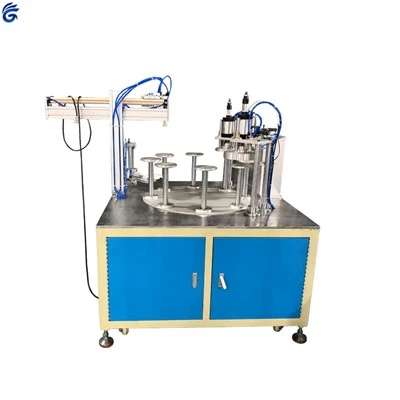
At the end of the day, preventing jams with blister round cover cutting machines is all about consistency. It’s not one big action, it’s the daily checks, the routine cleanings, the small adjustments, and the team knowing how to spot issues before they become problems. As a supplier, my job isn’t just to sell you a machine—it’s to help you keep it running smoothly, because downtime for you is downtime for your entire operation. If you’re dealing with frequent jams, or want to optimize your current machine’s performance, feel free to reach out to discuss your specific needs and find solutions tailored to your production line.
Blister Round Cover Cutting Machine References:
Packaging Machinery Manufacturers Institute. (2022). Best Practices for Preventing Downtime in Form Fill Seal and Cutting Equipment.
International Society of Pharmaceutical Engineers. (2021). Blister Packaging Material Handling and Machine Maintenance Guidelines.
Modern Packaging Magazine. (2023). Common Causes of Cutting Machine Jams and Proactive Solutions.
Titagong (Dongguan) Machinery Co., Ltd.
We are one of the most reliable manufacturers and suppliers of blister round cover cutting machine in China. With abundant experience, we warmly welcome you to buy bulk high quality equipment in stock here and get pricelist from our factory. For price consultation, contact us.
Address: No.149, Qingyi Road, Qingxi Town, Dongguan City, Guangdong Province, China
E-mail: shuaizoe@gmali.com
WebSite: https://www.titagonggroup.com/
