If you’re here, you’ve got a box furnace rolling in your shop or lab, and let’s be real—these bad boys don’t run on luck. I’ve been selling box furnaces for a little over 8 years now, and the #1 mistake I see new owners make? Waiting till something breaks to touch their furnace. I’ve walked customers through everything from a tiny overheating sensor glitch that shut down their heat-treat batch to a cracked refractory lining that cost them 3 days of downtime (and a whole lot of lost revenue). Today, I’m spilling the exact maintenance routine I’ve stood by for every client, broken down into stuff you can do weekly, monthly, quarterly, and annually—no fancy degree required, just a little consistency. Box Furnace
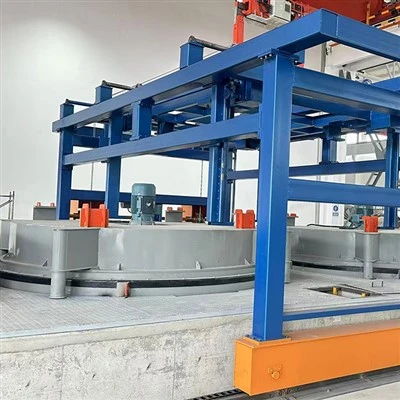
First, let’s cut through the jargon. A box furnace’s whole job is to heat things evenly and steadily—whether you’re sintering ceramic parts, annealing metal, or burning off organic gunk from samples. The wear and tear comes from two big things: constant temperature swings (those 1000°F+ cool-downs hit hard) and the gunk that builds up from whatever you’re heating. Skip the small checks, and you’ll be scheduling emergency service calls way more than you need to.
Let’s start with the weekly stuff—this takes 15 minutes tops, and it’s the easiest way to catch issues before they turn into headaches. First: give the exterior and interior a quick wipe-down. I don’t mean deep clean the whole chamber every week—just wipe up spilled metal shavings, burnt plastic residue, or any other gunk that’s sitting on the floor or walls. Last year, a guy I sold a standard box furnace to called me panicking because his furnace wouldn’t hold temp, only to find a glob of hardened alumina (from ceramic samples) wedged between the heating elements and the wall. He’d waited a month to clean it, and we had to replace two elements instead of just wiping the spot. Pro tip: use a dry cloth for the chamber—no water here, moisture can mess with the insulation. For the exterior, a mild, non-abrasive cleaner works fine, just don’t scrub the control panel or the vents. Speaking of vents, that’s the second weekly check: make sure the air intake and exhaust vents on the back of the furnace aren’t blocked. Even if it’s a small furnace, if dust or debris clogs those, the heating system overworks, and you’ll get uneven heat. I’ve had clients tell me they forgot to move a stack of boxes in front of the vents, and their furnace took 2 hours longer to reach 800°F than it should. Don’t be that guy.
Next up, monthly checks—these take 30 minutes, and they’re game-changers. First, inspect the door seal. This is the rubber (or sometimes high-temp silicone) strip around the furnace door that keeps heat from leaking out. Run your hand along it when the furnace is cool—feel for cracks, gaps, or any spots where it’s flattened. A bad seal doesn’t just raise your electricity bill; it makes the furnace run longer than it’s supposed to, which shortens element life. If you see a tiny tear, you can often trim it straight with a utility knife (as long as it’s not all the way around). If it’s cracking in multiple spots, just let us know—we ship replacement seals fast, and it’s a 10-minute swap. The other monthly check? Test the temperature accuracy. This is so important, I make every new client do this within their first month of using the furnace. Grab a portable thermocouple (we sell these as add-ons, super cheap) and place it dead-center in the chamber, then run a standard heat cycle—say 500°F, hold for an hour, then check what the furnace’s display says vs. the thermocouple. A difference of 10-15°F is normal, but if it’s more than that, the sensor is probably off, and you’ll need to calibrate it. I can’t tell you how many clients blame bad part quality on a wonky furnace reading—turns out they just never checked.
Quarterly maintenance is where you get a little hands-on, but still nothing complicated. First, pull the heating elements out and inspect them. For most box furnaces, elements are the coiled or rod-shaped parts mounted on the sides or back of the chamber. Shut the furnace off and let it cool completely (like, 6+ hours cool—no rushing this, you’ll burn yourself). Carefully pull them out (use gloves, they’re fragile and sharp) and look for breaks, spots where they’re sagging, or any buildup of gunk. If you see a tiny crack, you can sometimes patch it with high-temp element cement, but if half the coil is broken, just replace the whole thing. Pro move: label which element is which when you pull them out—they’re calibrated for position, so swapping them randomly can mess with heat distribution. The other quarterly task: check the refractory lining. That’s the firebrick or ceramic lining inside the chamber that holds the heat. Run your hand along the walls (again, cool furnace only) and look for chips, cracks, or spalling (that’s when pieces of the brick flake off). A small crack here is fine, but if you have a chunk missing, it’s letting heat escape and can damage the heating elements. If it’s a small spot, you can use refractory cement to fill it; if it’s more serious, we can send a tech to patch it, no problem.
Annual maintenance is the big one, and it’s worth scheduling when you don’t have a critical batch running. First, replace the air filter (if your furnace has one—most newer ones do). This is a tiny, cheap filter that keeps dust out of the control system. Skip this, and you’ll get a glitchy display or shorted wiring. Then, have a look at all the wiring connections—turn off the furnace at the breaker, take off the control panel cover, and make sure all the wires are tight, no frayed insulation, no burnt spots. If you see anything sketchy, don’t mess with it—call an electrician who works with industrial equipment, or reach out to us, we can point you to a trusted tech in most areas. Finally, do a full deep clean of the chamber. I’m talking pull all the racks out, vacuum the floor with a shop vac (no household vacs—they can suck up small elements or debris), wipe down all walls, and inspect every nook. This gets rid of buildup that’s building up over months, so it doesn’t cause issues down the line.
Wait, a few quick “don’ts” that I can’t stress enough, from years of fixing mistakes. First: don’t overload the chamber. I see this all the time—clients cram every sample or part they have into the furnace, blocking air flow. Not only does it make heat uneven, but it can also damage elements if they’re pressed against whatever you’re heating. Second: don’t open the door constantly while the furnace is running. Every time you yank that door open when it’s at 1000°F, you blast cold air in, and that’s the fastest way to crack the refractory lining or burn out an element. If you need to check on something, peek through the small viewport, or only open the door for 2 seconds max. Third: don’t use the furnace for stuff it’s not made for. If you have a box furnace rated for 1200°F, don’t crank it to 1600°F—that’s a one-way ticket to breaking elements and lining. Stick to its rated temp range, and it’ll last you way longer.
I get it, maintenance feels like extra work when you’re busy meeting deadlines or filling orders. But I’ve seen it a hundred times: clients who stick to this routine have furnaces that run for 10+ years without a major breakdown, while ones who skip it are calling me every other month for fixes. A little 15 minutes here, 30 minutes there, adds up to way less downtime and way less cost than replacing parts or emergency repairs.
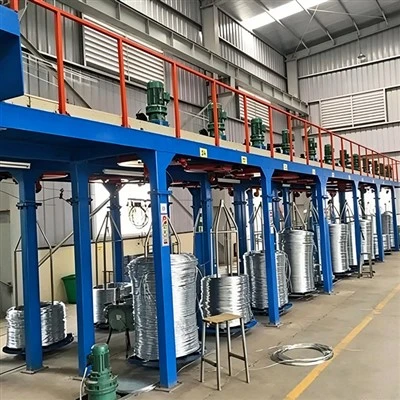
If you’re in the market for a new box furnace, or you have questions about maintaining the one you already own, don’t hesitate to reach out. We don’t do pushy sales pitches—we’ve been in this industry for years, and we know that a good furnace is only as good as how you take care of it. Whether you need replacement parts, a quick checkup, or help calibrating your unit, we’re here to help. Just get in touch to chat about your needs, and we’ll hook you up with exactly what you need, no hoops to jump through.
Tempering Furnace References
- Industrial Furnaces: Maintenance and Troubleshooting Guide, 2nd Edition, American Society for Metals, 2019
- Safe Operation and Maintenance of High-Temperature Furnaces, Occupational Safety and Health Administration (OSHA), 2021
- Refractory Materials for Industrial Heating Applications, International Furnace Manufacturers Association, 2020
- Heating Element Care for Box Furnaces, Journal of Industrial Equipment Maintenance, Vol. 12, No. 3, 2022
- Energy Efficiency Best Practices for Industrial Furnaces, U.S. Department of Energy, 2021
Jiangsu Fangwei Furnace Industry Co., Ltd.
Jiangsu Fangwei Furnace Industry Co., Ltd. is one of the most professional box furnace manufacturers and suppliers in China. With abundant experience, we are committed to providing high quality customized products with competitive price. Please feel free to buy advanced box furnace made in China here from our factory.
Address: No.168, HuangNian Bridge, DaoShu Town, Danyang City, JiangSu Province, China
E-mail: fangwei@fwfurnaces.com
WebSite: https://www.fwfurnaces.com/
