Hey there, Herringbone Twill
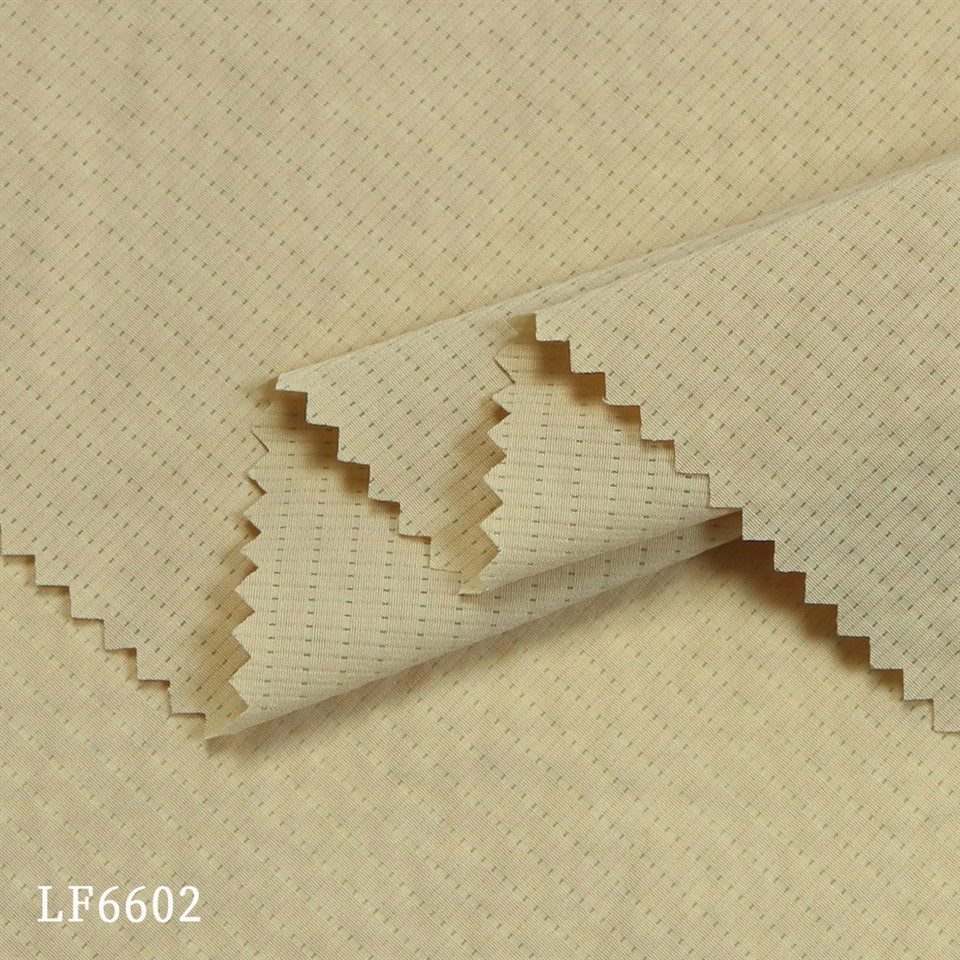
If you’re a regular around here, you know I’m that guy who’s been around the herringbone twill scene for almost a decade now—yep, I’m the supplier you’ve probably grabbed a bolt from when you needed that classic, durable fabric for everything from workwear to tote bags. But lately, I’ve been getting a ton of questions that make me stop and go, “Wait, haven’t thought about that yet?” The latest one? “Can herringbone twill actually be used for wall hangings?”
At first, I’ll admit, I was a little confused. Wall hangings? Like, the macramé, woven tapestry stuff people hang above their beds or couches? But the more I thought about it—and the more designers, small shop owners, and even a few Instagram DIYers hit me up with ideas—the more it made total sense. So I figured I’d break this down, not just as a supplier, but as someone who’s spent thousands of hours handling, testing, and obsessing over every yard of herringbone twill I put out.
First, let’s start with the basics: what even is herringbone twill? For anyone who’s not a fabric nerd (no shame, we’ve all been there), it’s a weave pattern—think that distinctive “V” or broken chevron shape that repeats diagonally across the fabric. Unlike plain weaves (tight, flat, like cotton bedsheet material) or basket weaves, herringbone twill uses a twill weave structure, meaning the threads interlace in a way that creates that slanted, textured line. And here’s the kicker: it’s super durable. That’s why you see it on jeans, work pants, upholstery for chairs that get used every day—even dog beds, let’s be real. Most of the twill I supply is a blend, usually 80% cotton and 20% polyester, because that combo hits the sweet spot: soft enough to work with, tough enough to not fray after a few months.
Now, wall hangings. What do you need from a fabric for something that’s gonna hang on a wall? It can’t be too flimsy—if it’s lightweight, it’ll stretch, wrinkle, and look lopsided within a week. It needs to hold its shape, right? And it should have texture, not just be a plain, boring sheet. That’s where herringbone twill checks so many boxes. Let’s get into the nitty-gritty of why this works, not just the “I think it does” vibe—stuff I’ve tested myself with scrap pieces and feedback from folks who’ve actually made these.
First up, texture. The herringbone pattern isn’t just for show—each V-shape creates subtle ridges and shadows that plain fabrics can’t match. When light hits it at different times of day, that twill weave catches the light differently, making the wall hanging feel dynamic, not flat. I had a designer reach out last month who used a medium-weight herringbone twill in a warm taupe for a custom wall hanging for a coffee shop. She told me regular cotton fabric looked muted, but the herringbone’s texture made it pop against the white walls, and customers kept stopping to comment on how “warm and cozy” it felt. That’s exactly what people want from wall art, right? Not just something pretty to look at, but something that adds vibe to a space.
Then there’s durability. Like I said earlier, herringbone twill is built to last. Wall hangings—especially in high-traffic areas, like living rooms, hallways, or coffee shops—get touched (even if it’s just accidental), they might get exposed to a little sunlight, maybe even a spill here and there. My twill is pre-washed and pre-shrunk, so once it’s hung, it won’t shrink, fray, or develop those weird, worn spots after a few months. I had a DIYer on TikTok hit me up last week saying she used a vintage herringbone twill scrap (she bought a remnant from me) to make a wall hanging for her kid’s playroom. She said her little one got juice on it once, wiped it off, and it looked totally fine—no stains seeping in, no fabric warping. That’s way more reliable than, say, a thin linen tapestry that’ll stain if you so much as sneeze on it.
Wait, but what about flexibility? You don’t want a wall hanging that’s so stiff it looks like a piece of cardboard, right? Herringbone twill’s weight is perfect for that. I supply three main weights: light (for things like tote bags or baby clothes), medium (for upholstery, jackets), and heavy (for work pants, cargo shorts). For wall hangings, medium weight is my go-to, but light works if you’re making something super delicate, and heavy if you want it to have that bold, structured look. The medium one isn’t too floppy—so it hangs straight, no weird sagging in the middle—but it’s soft enough that you can fold it, stitch it, even add embellishments like macramé knots or dried flowers without it being a pain.
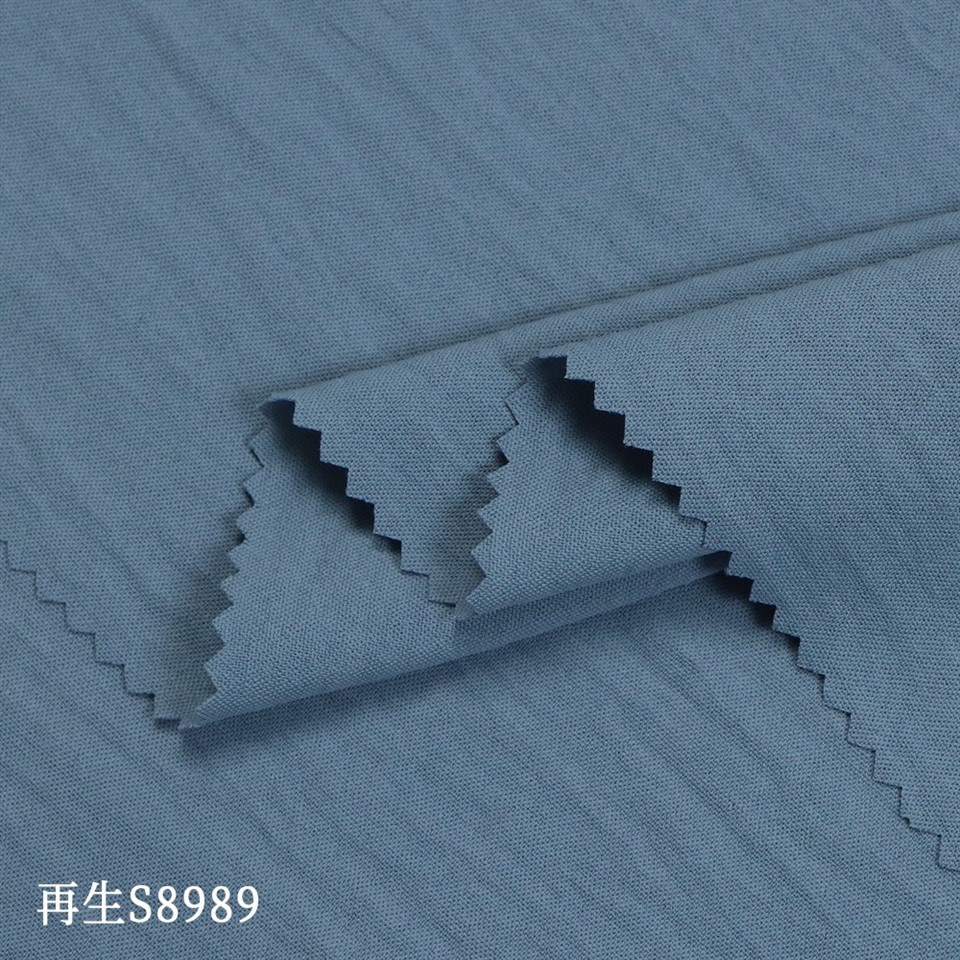
Now, let’s talk about customization, because that’s where my role as a supplier comes in. A lot of people think wall hangings have to be one solid color, but herringbone twill comes in, like, a million shades. We’ve got neutrals—beiges, grays, olives—perfect for minimalist spaces, and bold colors—rust, forest green, even navy—if you want something that’s a statement. Also, you can dye it if you want a custom shade, but most people don’t even need to do that because we have so many options. And if you’re into that raw, rustic look, the unbleached herringbone twill is great—it has that natural, earthy vibe that fits farmhouse, boho, industrial—you name it.
But wait, let’s be real—nothing’s perfect. There are a couple of things to keep in mind if you’re thinking about using herringbone twill for a wall hanging. First, finishing the edges. Because twill can fray if you just cut it and leave the raw edges, you need to either hem it, use fray check, or bind the edges with a contrasting fabric. I always tell people—even the DIY newbies—that this step is non-negotiable, otherwise you’ll end up with little threads unraveling all over your wall. Second, if you’re using a light-weight twill, it might need a little support. Like, adding a wooden dowel at the top to hang it from, so it doesn’t stretch out. I’ve sent a lot of dowels along with twill orders for this exact reason. And third, sunlight—if you’re hanging it in a spot that gets direct sun all day, make sure you get a twill that’s treated for fade resistance. My polyester-blend herringbone twill is way more fade-resistant than 100% cotton, so that’s a good call for sunlit rooms.
I’ve seen so many cool examples lately, too. One small business in Portland uses my heavy herringbone twill to make large-scale wall hangings for apartments and offices. They add little hand-stitched details—like small stars or geometric shapes—on top of the herringbone pattern, and it looks so intentional. Another guy makes minimalist wall hangings just by stretching the medium-weight twill over a frame, and it’s so simple but sleek. Even people who are new to sewing or crafting can pull this off—you don’t need a fancy loom or anything, just a sewing machine, some basic supplies, and a yard or two of my herringbone twill.
Wait, let me circle back to how I got here. I’m a supplier, not a designer, but I’ve seen the demand, tested the fabric, and heard the feedback, and I can tell you: this works. A lot of wall hanging fabric is stuff that’s made for tapestries, but herringbone twill is more durable, more versatile, and easier to work with for most people. And because I’ve been in the game so long, I can give you tips that other suppliers might not—like, if you’re making a small wall hanging (under 2 feet wide), go with light weight to avoid it being too bulky; if it’s over 3 feet, medium weight is better to keep it hanging straight.
Another thing I love? The cost. Herringbone twill is way more affordable than a lot of specialty tapestry fabrics. I sell it by the yard, and for most wall hangings, you only need 1 or 2 yards, so it’s a budget-friendly project. That’s why so many small shop owners use it—they can make custom wall hangings without breaking the bank.
If you’re thinking about trying this, let me tell you a quick tip I learned from a designer a while back: match the weight to the space. If you’re making something for a living room that’s cozy and lived-in, medium weight is perfect. If it’s for a bathroom that’s small and bright, light weight will hang nicely without overwhelming the space. And if you want that bold, industrial look, heavy weight will stand out against any wall color.
Now, I know some of you might be thinking, “But won’t herringbone twill look too much like workwear?” No way—when it’s cut into a wall hanging, especially with the right color or finish, it’s totally elevated. I’ve seen people use it in neutral shades, add a linen border, and hang it with macramé string, and it looks just as good as any store-bought wall hanging. The key is not to treat it like workwear—treat it like a blank canvas. Add some details, adjust the size, and it’ll be your own.
At the end of the day, the question isn’t “Can herringbone twill be used for wall hangings?” it’s “Why wouldn’t you use it?” It’s durable, textured, affordable, versatile, and it works for every style—minimalist, boho, industrial, farmhouse. And as someone who’s supplied this fabric for years, I can tell you the numbers: I’ve sent out hundreds of yards to people making wall hangings, and 9 out of 10 come back saying it’s better than they expected.
If you’re ready to try it, whether you’re a DIYer, a small business owner, or just someone looking to spruce up their space, reach out. I can hook you up with the right weight, color, and even give you a few pro tips to make your wall hanging look great. No complicated processes, no weird minimums—just the good stuff you know I supply.
2 2 Twill Weave References:
- Textile Today. (n.d.). Twill Weaves: Structure, Types, and Applications.
- Craft Industry Alliance. (2022). Fabric Selection for Wall Hangings: A Beginner’s Guide.
- International Fabric Institute. (2021). Durability and Texture in Home Decor Fabrics.
Shaoxing Huichao Textile Co., Ltd.
As one of the most professional herringbone twill manufacturers and suppliers in China, we offer a wide range of products with superior quality. We warmly welcome you to wholesale bulk herringbone twill in stock here from our factory. If you have any enquiry about cooperation, please feel free to email us.
Address: Shenyue International Build ing, Unit 1603-1605, Keqiao District, Shaoxing City, Zhejiang Province, China
E-mail: darrenzhong@huichaotextile.com
WebSite: https://www.huichaotextile.com/
