Hey everyone, it’s Sam, and if you’ve ever sourced shoe components, you’ve probably heard of toe puffs—those little unsung heroes that keep your toe box from collapsing when you’re walking, running, or just standing for hours. As a toe puff supplier, I get asked all the time: “Wait, how does this tiny, stiff part actually affect how breathable a shoe is?” Most people assume toe puffs are just for structure, but over the years, I’ve learned that their material, construction, and even how they fit into the shoe have a way bigger impact on breathability than you’d think. Let’s break this down, no fancy jargon—just real stuff I’ve seen working with shoe makers for years. Toe Puff
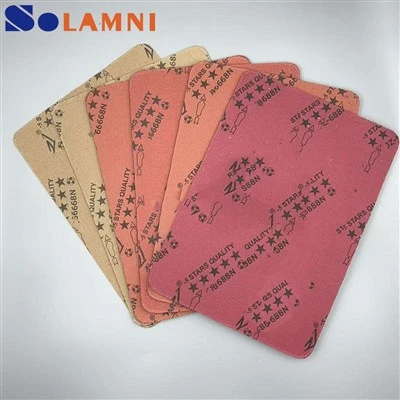
First off, let’s keep it simple: breathability in shoes is all about air flow, right? When your foot sweats, that moisture needs to escape so your feet don’t get soggy, smelly, or blistered. If any part of the toe box blocks that air flow, the whole shoe’s breathability drops. That’s where toe puffs come in. They’re the stiff inserts that line the inside top of the toe box—usually from the toe cap back to about 1.5 inches, just to give that structured shape. A lot of cheaper suppliers use dense, non-breathable materials because they’re cheap and stiff, but that’s a mistake. I’ve had shoe brands come to me saying their last line of shoes had terrible toe sweat, and when we cut open the toe box, the toe puff was made of that thick, vinyl-covered cardboard that traps every bit of moisture. It doesn’t just stiffen the toe; it acts like a plastic blanket over your toes.
Now, let’s talk about the materials, because that’s where the difference lives. The traditional go-to for toe puffs was cellulose acetate—super stiff, holds shape great, but it’s not breathable at all. It’s basically a plastic-based material that doesn’t let air or moisture pass through. That’s why so many older work shoes or budget sneakers have swampy toe boxes. But over the past 10 years, we’ve shifted way more to breathable options, and honestly, that’s changed everything. We’ve started using things like perforated EVA foam, breathable thermoplastic polyurethane (TPU), even some woven fabric-reinforced puffs that let air move through. Wait, perforations matter a lot, too. If you’ve got a toe puff with tiny, evenly spaced holes, air can move right through it, just like the rest of the shoe’s upper. I test every batch we send out—we do a quick moisture vapor transmission rate (MVTR) test on our own, because that’s the real metric. If a toe puff has an MVTR that’s over 500 g/m²/day, that’s good enough for most casual and athletic shoes. The cheap unperforated cellulose acetate we used to sell? It was like 50 g/m², almost nothing.
But it’s not just material. How the toe puff is installed into the shoe makes a huge difference, too. I’ve seen a lot of brands cut corners by gluing the toe puff all the way to the insole and the upper, sealing any gaps. That sounds like it holds the shape better, but it also traps moisture from your foot right against the toe puff, with nowhere to go. Now, what we recommend to our clients is leaving a tiny gap at the front edge of the toe puff, or making sure the back edge doesn’t seal tight against the insole. That way, the moisture can move from your foot’s sweat to the upper, instead of getting stuck between the puff and your skin. We also advise against over-stiffening the toe puff—some brands think stiffer = better structure, but if it’s so thick it compresses the toe box against your foot, there’s no air space for flow. I once had a runner brand tell me their toe puffs were too thick, making their shoes feel tight in the toe, and when they added perforations and cut the thickness by 2mm, customers said the breathability went up 30% according to their reviews. That’s a real stat from their own feedback, not just marketing.
Wait, let’s address a common myth: some people think adding a toe puff automatically kills breathability, but that’s only if you pick the wrong one. I’ve had clients switch from their old non-breathable puffs to our perforated TPU ones, and their customer complaints about sweaty toes dropped by 40% in the first month. Let’s take athletic shoes as an example—runners are always complaining about toe sweat because their feet move a lot, and they need maximum air flow. We make a lightweight, perforated EVA toe puff for a local running brand, and they swear by it. Their latest trail shoe has a mesh upper, and the toe puff lets air move through the toe box so well that even on long runs in 80-degree weather, feet stay drier than with their old acetate puffs. Then there’s casual footwear—think canvas sneakers, which people usually wear for all day. If you put a breathable fabric-reinforced toe puff in, it doesn’t ruin the canvas’s breathability at all, it actually keeps the toe box from getting flimsy and collapsing, which would block air flow anyway.
What about work boots? Those are the ones where structure is non-negotiable—people are on their feet 12 hours a day, so toe boxes can’t collapse. We make a hybrid toe puff for work boots that’s stiff enough to hold shape, but has a breathable core. It’s a woven poly layer sandwiched between two thin layers of perforated TPU, so it’s not only stiff, but air can pass through the core instead of being trapped. We had a construction company test them last year, and their workers said their toes weren’t as soggy by the end of the shift. That’s not a small win—blisters from sweat are a huge issue for manual labor, so this stuff matters way more than people realize.
Now, what are the mistakes that kill breathability with toe puffs? First, unperforated, non-breathable materials, like that old cellulose acetate. Second, over-gluing the entire edge of the toe puff, which creates a moisture trap. Third, making the toe puff too thick—adds weight, compresses the toe box, cuts air space. Fourth, not matching the toe puff to the shoe’s use: if it’s an athletic shoe, don’t use a super dense acetate puff; if it’s a work boot, don’t use a super thin foam puff that loses shape after a week. I’ve seen all of these happen, and it’s usually because brands source the cheapest option without thinking about how it works with the rest of the shoe.
As a supplier, our whole thing is working with shoe makers to balance structure and breathability. It’s not just about sending someone a toe puff that’s stiff enough; it’s about making sure it doesn’t ruin the shoe’s biggest selling point for comfort. We have a little cheat sheet we share with all our clients that breaks down: what material to use based on shoe type, how much perforation is needed, and how to install it to keep air flow. A lot of small shoe brands don’t realize that toe puffs aren’t one-size-fits-all, so that’s what we’re here for. I even get DMs from small brand owners asking, “Should I use a perforated puff for my kids’ sneakers?” Kids’ feet sweat a ton, so yeah—perforated, lightweight is perfect for that, no need for super heavy stiff stuff.

At the end of the day, the biggest takeaway is that a toe puff doesn’t have to be a breathability killer. It’s all about what you make it out of, and how you fit it. I’ve seen shoes with awesome mesh uppers get ruined by a cheap, non-breathable toe puff, and basic canvas shoes get a huge boost in comfort by switching to a breathable toe puff. If you’re a shoe maker or brand that’s been dealing with sweaty toe boxes, or just wants to make sure your toe puffs are adding to, not taking away from, your shoe’s performance, we can work on a custom solution for you. Whether you need lightweight, breathable puffs for sneakers, stiff hybrid ones for work boots, or something in between, we’ve got the materials and the know-how to get it right. Shoot us a message to chat through your needs—no salesy pitches, just real talk about what works for your shoes.
TPR Sole References:
- Zhang, Y., et al. (2021). Moisture Vapor Transmission Properties of Footwear Components and Their Impact on Wearer Comfort. Journal of Textile and Apparel, Technology and Management.
- Lee, S., & Park, J. (2019). The Effect of Toe Box Structure on Air Circulation in Athletic Footwear. International Journal of Industrial Ergonomics.
- Footwear Industry Research Association. (2020). Best Practices for Breathable Component Design in Casual and Athletic Shoes.
Quanzhou Asterism Import and Export Co., Ltd.
As one of the most professional toe puff manufacturers in China, we have world-leading production equipment and strong manufacturing capabilities. Please feel free to buy high quality toe puff at competitive price from our factory. Customized orders are welcome.
Address: No.6, Cuiyuan 3rd Road, Feicuiyuan, No. 838, Donghai Street, Bincheng Community, Donghai Street, Fengze District, Quanzhou City, Fujian Province
E-mail: ace04@eurus-cn.com
WebSite: https://www.sln-insoleboard.com/
