If you’ve ever worked in a industrial shop floor, a construction site, a maintenance bay, or even a residential garage, you know tools are the unsung backbone of every project. But what happens when a small spark from a welding torch, an overheated power tool, or an electrical fault turns into a full-blown fire? For most standard tool cabinets, that means everything inside—from precision screwdrivers to heavy-duty wrenches, power drills, and custom bit sets—turns to ash in minutes. That’s where fire-resistant tool cabinets come in, and as a tool cabinet supplier who’s spent 12 years on the ground talking to tradespeople, I’ve seen first-hand just how underrated these specialized pieces of gear are. I didn’t start in this industry thinking fire-resistant cabinets were anything more than a niche product for fire departments. Back in 2011, a local construction client of mine called in a panic after a small electrical fire in their tool trailer burned through three standard steel cabinets and $18,000 worth of tools. That’s the moment I realized: these cabinets aren’t just for extra storage—they’re critical for protecting livelihoods, complying with safety rules, and keeping work moving when something goes wrong. Tool Cabinet

First, and most obviously, fire-resistant tool cabinets save you money by protecting your tools and equipment. Let’s do the math: a professional electrician’s set of insulated tools runs $2,000 to $5,000, a full set of construction-grade wrenches and sockets is $1,500, and a mid-tier power drill can set you back $400—on top of that, there are custom tools, specialty bits, and diagnostic gear that can cost even more. When a fire hits, standard cabinets do almost nothing to stop flames, smoke, and heat from getting inside. I once worked with a HVAC technician who lost 12 new refrigerant gauges and a custom leak detector in a shop fire; the standard cabinet they were stored in melted around the edges, and the heat warped the gauges so bad they couldn’t be calibrated, even though the cabinet door was closed. Fire-resistant cabinets, on the other hand, are built to maintain a safe internal temperature for a set amount of time—usually 30 minutes to 2 hours, depending on the model—even when exposed to temperatures up to 1,800°F, which is the average temperature of a structural fire. That means your drills, saws, and specialized hand tools don’t get warped, their batteries don’t melt, and their electronics stay intact. I’ve seen clients recover 90% of their stored tools after a shop fire where only their fire-resistant cabinets were in use; that’s thousands of dollars saved on replacement costs, not to mention the time lost waiting for new tools to arrive.
Beyond tool and equipment protection, fire-resistant cabinets are a lifeline for sensitive work documentation and safety gear. Let’s be real: most tradespeople don’t just store tools in their cabinets. They keep their OSHA compliance logs, equipment maintenance checklists, project blueprints, and customer work orders in there too. Those aren’t just pieces of paper—they’re the proof that you do work safely, that your equipment is up to code, and that you can get paid for completed jobs. If a fire burns those papers, you might face OSHA fines, get in trouble with clients, or even lose a license in some cases. Fire-resistant cabinets can protect paper documents for up to 4 hours in a fire, which is more than enough time for firefighters to contain a blaze before it spreads. I also work with many first responders, industrial maintenance teams, and mine operators who keep safety gear like fire-resistant gloves, gas detectors, first aid kits, and emergency shut-off tools in their fire-resistant cabinets. In an emergency, you can’t afford to dig through a pile of burnt debris to find a $20 gas detector that could save a life—having that gear locked up in a fire-resistant cabinet means it’s there, intact, when you need it most.
For industrial and commercial work sites, fire-resistant cabinets also help with regulatory compliance. OSHA, NFPA (National Fire Protection Association), and many local building codes require workplaces to have fire protection measures in place for stored equipment and hazardous materials. If you’re storing flammable substances like lubricants, paint thinner, or propane fuel for small tools, standard cabinets aren’t enough—they can’t contain a fire from spreading to those materials, and they don’t stop flammable vapors from igniting. Fire-resistant cabinets designed for hazardous materials are tested to contain those vapors and keep the internal temperature low enough to prevent fuel ignition, which means you’re not just protecting your tools—you’re following the rules and avoiding costly fines. I had a client in the auto repair industry last year who almost got a $15,000 OSHA fine because their parts storage cabinets weren’t fire-resistant for their paint and solvent cans. Once they upgraded to our NFPA-compliant fire-resistant cabinets, they passed their audit on the first try, no issues. Compliance isn’t just about avoiding penalties—it’s about keeping your team safe, and fire-resistant cabinets are a key part of that safety plan.
Another underrated use of fire-resistant tool cabinets is protecting tools and equipment from secondary damage, like smoke and water, even if the fire is put out quickly. Most people only think about flames when they think of fire damage, but smoke and water are actually the main causes of tool and document loss in many small fires. A standard steel cabinet doesn’t seal completely—smoke can seep through the seams, coating your tools in soot that’s almost impossible to clean off without damaging the metal or electronics. Water from fire hoses can also seep into standard cabinets, ruining power tools, woodworking tools, and even hand tools that can rust for years. Fire-resistant cabinets, however, are built with airtight, fire-rated seals that block smoke and water from getting inside. I worked with a carpenter last year who had a small fire in his garage that was put out in 10 minutes—his standard garage cabinets had tools that were covered in soot and water, and half his power drills were ruined. His fire-resistant cabinet, on the other hand, had tools that came out looking like new, with not a speck of soot or water damage. That’s a huge win for tradespeople who rely on their tools day in and day out—you don’t have to spend days cleaning tools or waiting for replacements after a small emergency.
Then there’s the role fire-resistant cabinets play in business continuity. Let’s say you’re a small construction company with a $500,000 project that starts next week. Your tools are the only thing standing between you and being able to complete that project, and if a fire destroys them, you can’t start work on time—so you might lose the contract, or have to pay extra to rent tools at a premium. Fire-resistant cabinets mean your tools are there, ready to go, after a fire incident, so you can get back to work almost immediately. I’ve seen clients go back to their normal schedule just two days after a small shop fire, while competitors who didn’t have fire-resistant cabinets were waiting weeks for replacements. For small businesses, that kind of continuity can make or break the year—one missed project or a big fine could put you out of business, and fire-resistant cabinets are a small investment that prevents that.
As someone who’s sold tool cabinets for over a decade, I’ve also talked to a lot of people who think fire-resistant cabinets are overkill, or too expensive. Let me break down the numbers: a high-quality fire-resistant cabinet costs between $800 and $3,000, depending on size and rating. The average cost of a tool set for a professional is $5,000 to $15,000. That means a fire-resistant cabinet costs less than 20% of the cost of replacing your tools. And when you factor in compliance fines, lost project revenue, and safety risks, it’s a no-brainer. I once had a client who turned down our fire-resistant cabinet in 2019, saying it was “too much” for his small residential contracting business. Six months later, a spark from a table saw ignited a pile of wood shavings in his shop, and his standard cabinets burned up, taking $12,000 worth of tools with them. He called me the next day, apologetic, and ordered three fire-resistant cabinets that week. That’s the thing about fire-resistant gear: you don’t need it until you do, and when you do, you’re glad you invested.
Now, not all fire-resistant tool cabinets are the same, by the way. Some are designed for small, residential garage use, with 30-minute fire ratings for hand tools. Others are built for industrial work sites, with 4-hour ratings that can hold hazardous materials and heavy power equipment. The key is to pick one that’s tested to NFPA or UL standards, so you know it actually works when a fire hits. Cheap knock-off fire-resistant cabinets don’t have the correct seals or insulation, so they’ll melt just like standard cabinets. That’s why as a supplier, I only work with manufacturers that test every cabinet for heat resistance and airtight sealing, because I’d never sell something that I wouldn’t use myself.
If you’re running a construction company, a trade shop, a maintenance team, or even just a serious DIYer with a lot of expensive tools, a fire-resistant tool cabinet isn’t a luxury—it’s a necessary piece of safety and business equipment. It protects your livelihood, keeps you compliant with safety rules, saves you money on replacements, and lets you get back to work fast when something goes wrong.
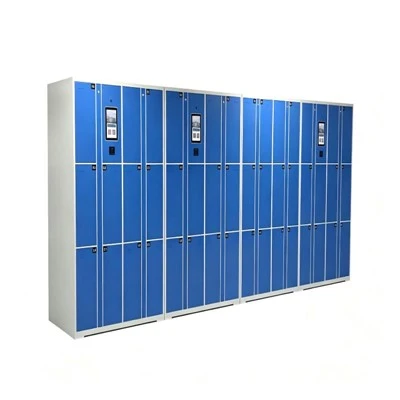
If you’re ready to learn more about which fire-resistant cabinet is right for your needs, or to request a quote, feel free to reach out to our team. We can walk you through the different ratings, sizes, and features, and help you pick a cabinet that fits your work and your budget.
Tool Cabinet References
NFPA 70: National Electrical Code, Article 511 (2021 Edition)
UL 8750: Standard for Fire Resistant Containers for Storage of Hazardous Materials (2020 Edition)
OSHA 29 CFR 1910.157: Portable Fire Extinguishers
Hangzhou Dongjie Intelligent Technology Co., Ltd.
Hangzhou Dongjie Intelligent Technology Co., Ltd. is one of the most experienced tool cabinet manufacturers and suppliers in China, also supports customized service. Please feel free to wholesale durable tool cabinet made in China here from our factory. For quotation, contact us now.
Address: 1st Floor, Building 2, No. 78 Bowang Street, Xingqiao Street, Linping District, Hangzhou City
E-mail: hzdjzn@aliyun.com
WebSite: https://www.cndongjiesmart.com/
