If you’ve ever worked with forged parts, you know the frustration that comes out of nowhere—those random hard spots that pop up right where you need a smooth, precision cut. I run a small but tight-knit forging part machining shop, and I’ve dealt with more of these pesky spots than I can count. Early on, I’d waste hours chasing the issue, messing up tools, and missing delivery windows. Now? I’ve got a system that works, and I’m sharing it here because I know I’m not the only one pulling my hair over this. Forging Part Machining
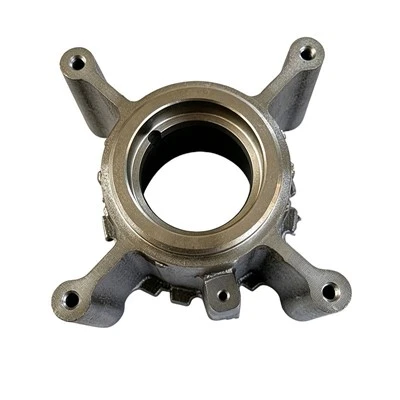
First, let’s get one thing straight: hard spots in forgings aren’t “flaws” in the sense that someone messed up. Most of the time, they’re a byproduct of the forging process itself. When you heat metal (think steel, aluminum, even titanium) to super high temps to hammer it into shape, then cool it unevenly, some areas end up with a tighter grain structure than others. Those tiny, dense grain clusters feel way harder than the rest of the part—like trying to cut through concrete with a butter knife when you hit one. I remember a client brought in a batch of steel forgings last year, all supposed to be 30 HRC (that’s hardness rating, for the newbies), and half of them had spots clocking in at 45 HRC. We burned through three end mills trying to machine those before we figured out what was going on.
So how do you deal with them without losing your mind or your tools? Let’s start with pre-machining checks—this is non-negotiable. Skipping this step is like walking into a dark room and hoping you don’t stub your toe. I now make it a rule to scan every single forging before it touches a machine. We use a portable hardness tester (nothing fancy, just the basic unit) to swipe random spots, but also the areas that would be high-stress during forging—like corners, edges, and areas where the metal folded over. Sometimes you can’t see the hard spots, but the tester beeps when it finds them, and that’s a lifesaver. Last month, we caught a forging with a hard spot in the middle of a mounting hole before we even put it on the lathe. Saved us a $200 end mill and a whole hour of work.
Another pre-machining trick we picked up from a veteran machinist buddy: light pre-heating. Wait, hear me out. If a part has a known hard spot, hit that specific area with a small, portable torch (not a big forge—we don’t want to warp the whole part) for 30-60 seconds. You don’t need to bring it up to forging temp, just warm it enough to loosen that tight grain structure. I used to be scared of overheating, but with a little practice, you can tell by the color—pale yellow is good, bright orange is bad. This works way better than just cranking up the machine’s feed rate to “power through”—that’s how you get tool breakage and a lousy surface finish. We started doing this and cut our tooling costs on problematic batches by almost 30%.
Now, when you’re actually machining the part, adjust your game plan. Most new machinists want to go fast, go deep, get it over with. But hard spots hate shallow, slow cuts. I swear by a slower spindle speed and a slightly higher feed rate when I hit a spot. Let me explain: if you’re spinning too fast, the tool skitters over the hard grain instead of cutting it, which causes vibration and wears the edge out instantly. Cranking the feed rate just a tiny bit makes the tool bite through instead of skid. Also, use sharp, coated tools. Uncoated carbide will get chewed up by a hard spot, but a TiN or TiCN coated end mill? It slides through and cuts clean, even when it’s not perfect. I keep a set of sharp, coated tools reserved just for parts with known hard spots—no sharing these with regular runs.
Wait, what if the hard spot is really deep, or the part is super critical? Like, a hydraulic fitting that can’t have any flaws? Then we use a process called “centerless grinding” for those specific areas. It’s not for every part, but when you need a flawless finish on a spot that gave you trouble before, it’s game-changing. Centerless grinding removes a tiny layer of material (like 0.005 inches) and evens out the hardness across the whole surface. We only pull this out for high-priority parts, so we don’t waste time on stuff that could be machined with standard methods, but it’s a go-to when precision is non-negotiable.
Here’s a mistake I made early on: not documenting hard spots. Every time I run a batch with parts that had hard spots, I jot down where they were, what the hardness was, what tools worked, and what didn’t. Now, when a client brings in a repeat order, I pull that file and know exactly what to expect. Last week, we got a reorder for a set of aluminum forgings that had hard spots near the flange—from the first run, I knew to pre-heat those areas and use a 10mm coated end mill with a feed rate of 0.15 mm/rev. We finished the whole batch in half the time we did the first time, no issues. Documentation isn’t boring paperwork—it’s how you get better at this.
Also, talk to your forging supplier. I used to think the forging shop just sent us perfect parts, but no—they’re dealing with hard spots too. When I told my forging supplier about the trouble we were having, they adjusted their cooling process. Instead of quenching the whole batch in water, they let the parts air-cool for 10 minutes before quenching. That evened out the grain structure, and now we get way fewer hard spots in the first place. It’s a two-way street; if you’re open about the issues you’re facing, your supplier can tweak their process to make your job easier. I even started sending them our hardness test results for every batch, so they can see exactly where the hard spots are forming. That partnership has saved us both a ton of time.
What about if you run into a hard spot mid-machine run? Like, you’re halfway through a part, and the tester goes off on a spot you missed. Don’t panic—stop the machine, adjust the speed/feed, and maybe even touch up the tool before going back. I keep a small tool sharpening stone next to every machine for emergency touch-ups. Sometimes a tiny chip on the tool edge is all you need to handle a hard spot without stopping for a full tool change. That’s a quick fix that adds up when you’re juggling multiple jobs.
Let’s get real for a second—no method is perfect. Some hard spots are just tricky, no matter what you do. The key is to not let them derail your whole process. I once had a batch of titanium forgings that had hard spots so bad, we had to machine a little extra material off a couple of parts. It wasn’t ideal, but we still got them to the client on time, and they didn’t complain. Communication with the client goes a long way here. If you know a part has a hard spot that’s going to take extra work, tell them upfront. Most clients would rather hear there might be a small delay or an extra cost than get a finished part that’s unusable.
At the end of the day, dealing with hard spots in forged parts is part of the machining game. You’re not going to eliminate them entirely, but you can learn to work with them smarter. Pre-test, adjust your machine settings, use the right tools, document everything, and partner with your supplier. I’ve been doing this for 12 years, and I still run into a weird hard spot now and then, but those tricks? They’ve saved me so many late nights and broken tools.
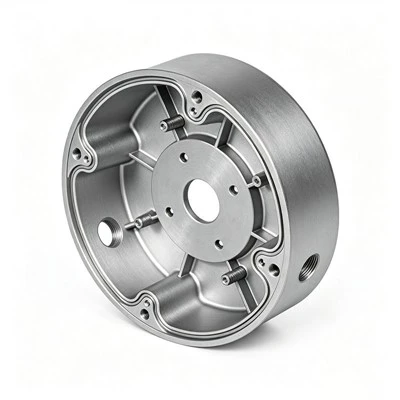
If you’re a procurement manager or someone who works with forged parts and machining, and you’re tired of dealing with those hard spots that mess up your timeline or your budget, hit me up. I’ve helped dozens of clients work through these exact issues, and I can share more tailored tips for your specific parts. Let’s connect and figure out the best way to get your forged parts machined smoothly, no surprises.
High Quality Machining Service References
- Metal Forming: Forging, Machining, and Finishing Processes (Industry Technical Guide, 2021)
- Machining Hard Spots in Forged Components (Journal of Manufacturing Processes, Vol. 42, 2019)
- Portable Hardness Testing for Forged Parts (NIST Technical Note, 2020)
- Best Practices for Forging-Machining Collaborations (Forging Industry Association Report, 2022)
Ningbo Yirui Machinery Manufacturing Co., Ltd.
As one of the most professional forging part machining manufacturers and suppliers in China, we’re featured by quality products and good price. Please rest assured to wholesale durable forging part machining made in China here from our factory. Customized orders are welcome.
Address: No.107, Wanzhong Village, Jishigang Town, Haishu District, Ningbo City
E-mail: James.he@yiruitek.com
WebSite: https://www.yiruime.com/
