If you’ve ever stood in a hardware store, running your fingers through bins of metal fasteners or parts meant for outdoor projects, chances are you’ve seen stainless steel turned parts tucked beside cheaper steel options. As someone who’s spent the last 12 years running a small, family-owned business making custom stainless steel turned parts for everything from backyard deck hardware to coastal marine equipment, I get asked this question at least once a week: Are these parts actually good enough for outdoor use? The short answer is yes—but only if you understand why stainless steel holds up where other metals fail, and why not every stainless turned part is created equal. Let me walk you through what I’ve learned from working with this material day in and day out, because it’s not just a “stainless = outdoor” rule. It’s about the grade, the manufacturing process, and how you finish the part once it’s made. Stainless Steel Turned Parts
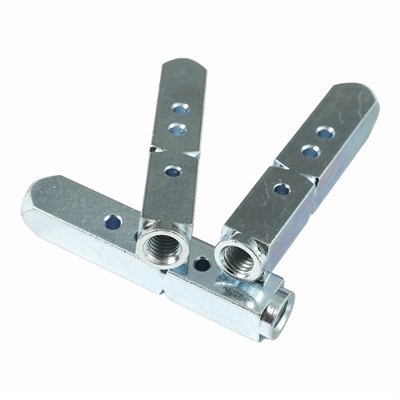
Let’s start with the basics, because I’ve seen too many people assume all stainless steel is the same. When we machine stainless steel on our lathes to make turned parts—think bolts, spacers, pins, or custom fittings for outdoor use—we’re working with alloys that have a minimum of 10.5% chromium, that’s the magic number. That chromium doesn’t just make the metal “stainless” in name; it reacts with oxygen in the air almost instantly to form a thin, invisible oxide layer on the surface. This layer is self-healing, too—if you scratch it, more chromium rushes to the site and repairs it, which is why stainless steel doesn’t rust like regular carbon steel, which leaves flaky, orange corrosion all over the place. But here’s the catch: that oxide layer only works if the right elements are present, and if contaminants don’t break it down. For outdoor applications, where parts face rain, snow, salt, UV rays, and even road salt if they’re for a roadside project, this layer is your first line of defense.
I learned this lesson the hard way early in my business. Back in 2012, a contractor called us asking for 500 custom 1/2-inch spacers for a new dock on the Gulf Coast. They wanted 304 stainless steel, the most common grade, so we sent them a batch. Within six months, half the spacers had tiny pitting corrosion in the metal. The contractor was furious, because he’d paid more for stainless only to have parts that looked worse than the cheap galvanized ones he’d used on his last dock. When we tested the parts, we found the issue: 304 stainless has about 8% nickel, which makes it corrosion-resistant in most mild outdoor environments, but coastal areas have high levels of chloride from saltwater. Chloride ions are tiny, aggressive particles that can punch through the chromium oxide layer, especially if the metal has any imperfections from machining or surface treatment. That mistake cost us that client for a year, but it taught me that grade selection isn’t a one-size-fits-all decision for outdoor parts.
So what grade of stainless turned parts works best outdoors? For most general outdoor projects—like deck baluster spacers, fence hardware, or parts for backyard playground equipment—304 stainless is actually fine. It resists corrosion from normal rain, humidity, and occasional exposure to moisture, and it’s affordable enough that most homeowners and contractors don’t balk at the cost. But if you’re working in harsher environments: coastal areas, regions that use a lot of road salt in winter, or parts that will be submerged in water for long periods, you need to step up to 316 stainless steel. Grade 316 adds 2-3% molybdenum, a元素 (wait, no—element) that makes the chromium oxide layer far more resistant to chloride ions. That same contractor who had issues with 304 on his Gulf dock? When we sent him 316 spacers, he used them for the next dock he built in 2014, and they’ve held up perfectly. We also make 316 turned parts for boat cleats, marine pipe fittings, and even components for offshore wind farm equipment, and in 10 years, I’ve had almost zero complaints about corrosion with that grade.
Now, grade is only half the battle. The way we machine the stainless steel into turned parts also affects how well it works outdoors. Stainless is a bit trickier to turn on lathes than carbon steel—it’s tougher, and it work-hardens when you cut it, meaning the surface gets harder as you machine it, which can leave tiny, rough spots. Those rough spots are a problem for outdoor use because they trap moisture, dirt, and salt, creating little pockets where corrosion can start. At our shop, we prioritize precision machining and surface finishing for parts meant for outdoor use. We use high-quality cutting tools designed for stainless steel, and we adjust our feed rates and speeds to minimize surface roughness. We also offer additional finishing options if needed: passivation, for example, is a chemical process that removes free iron particles left on the surface from machining, which can cause corrosion if they’re left behind. Passivation also boosts the chromium oxide layer, making it thicker and more durable. We also offer mechanical polishing, which smooths out the surface even more, so water beads up instead of sitting in crevices—great for parts that will be exposed to frequent rain or snow.
Another thing I get asked a lot: “What about different types of outdoor exposure? Will a part for a rainy Pacific Northwest yard be the same as one for a dry Arizona desert?” Honestly, the desert is actually easier on stainless steel parts than a humid, coastal area. In dry, sunny places, UV rays can fade or break down some materials, but stainless steel is resistant to UV radiation—no fading, no brittleness, no cracking. We made a batch of custom mounting brackets for a solar farm in Arizona a few years back, and five years later, they still look brand new, no rust, no discoloration. The problem in the desert isn’t usually corrosion from moisture, it’s dust and sand abrasion. Stainless steel is hard enough to stand up to that, but we recommend a slightly harder grade, like 304 or even 316 if the parts are near any irrigation that leaves mineral deposits, which can also trap moisture.
But wait—what about situations where stainless steel might not be the best choice? It’s not perfect, even for outdoor use. For example, if you’re building a project that will be in direct contact with another metal that’s very different, like aluminum or carbon steel, you have to watch for galvanic corrosion. That’s when two dissimilar metals touch in the presence of an electrolyte (like water), and one corrodes to protect the other. Stainless steel is noble on the galvanic scale, meaning it’s less likely to corrode, but if it’s touching a much more active metal like aluminum, the aluminum might corrode, or vice versa, depending on the combination. We always warn customers about this and recommend using a barrier between the two metals—like a plastic washer or a coating—if they’re mounting stainless turned parts to a different metal outdoors. Another caveat: while stainless steel is fire-resistant (it doesn’t burn, and it retains its strength at high temperatures, better than many other metals), if you’re in an area prone to wildfires, it’s a great choice, but just keep in mind that extreme, prolonged heat might slightly discolor the surface, though it won’t compromise the structural integrity.
I’ve also seen how stainless turned parts stand up to long-term outdoor use compared to other materials, and that’s where they really shine. I mentioned that dock spacers I made in 2014—when I visited that dock last year to deliver parts for a new project, I noticed those 316 spacers still looked the same as the day we installed them, no pitting, no rust. Compare that to the galvanized steel spacers we used on our own backyard fence back in 2010: by 2016, they were all rusted through, and we had to replace half the fence. The carbon steel bolts I used to mount our deck railing in 2008? Rusted heads that made it impossible to remove when we wanted to upgrade the lighting. Stainless steel parts don’t have that problem. They don’t rust, they don’t need regular painting or sealing, they’re low-maintenance. That’s a big selling point for anyone who doesn’t want to spend every few years fixing or replacing outdoor hardware.
Of course, cost is always a factor. I won’t lie—stainless steel turned parts are more expensive than carbon steel or even galvanized parts, especially the higher-grade 316. But when you do the math over time, they’re actually cheaper. You don’t have to replace them every 5 or 10 years like you do with lower-grade metals. You also avoid the hidden costs: the time it takes to remove old, rusted parts, the labor to install new ones, even the environmental cost of disposing of metal that needs to be replaced. For contractors working on large outdoor projects, that long-term savings adds up. For a homeowner building a backyard deck, spending a bit more on stainless turned parts for the railing and hardware means you won’t have to worry about rust ruining your deck in five years.
At our shop, we’ve been supplying custom stainless steel turned parts for outdoor applications for over a decade, and we’ve worked with everyone from small-scale homeowners to large industrial construction companies. We’ve learned that the key to making these parts work outdoors isn’t just picking the right metal—it’s understanding the specific environment your parts will be in, and matching the grade and finish to that environment. We take the time to ask customers questions: Will these parts be near saltwater? Will they be exposed to road salt? Are they going to be submerged, or just exposed to rain? That way, we can recommend the right grade and finish, so our parts don’t just look good when they’re installed—they last.
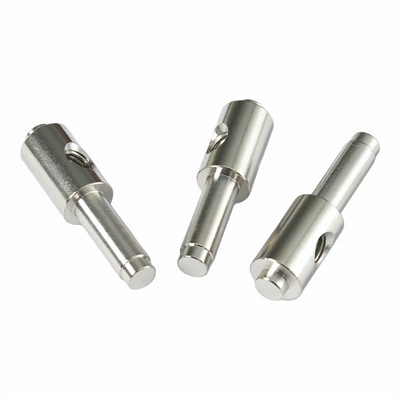
If you’re planning an outdoor project and you’re trying to decide if stainless steel turned parts are the right choice, I’d encourage you to reach out and chat. Whether you need a small batch of custom bolts for a garden gate, or thousands of spacers for a commercial construction project, we can help you pick the right material, grade, and finish to make your project last for years, without the hassle of rust and corrosion. Don’t settle for parts that will need replacing in a few years—invest in stainless steel turned parts built for outdoor use.
Aluminum Turned Parts References:
- ASM International. (2020). Stainless Steels: Corrosion Resistance and Applications. Materials Park, OH: ASM International.
- Marine Insight. (2021). Galvanic Corrosion in Marine Environments: Causes and Prevention. Retrieved from relevant industry technical publications.
- The Fabricator. (2019). Machining Stainless Steel for Outdoor Applications. FMA Communications, Inc.
- National Association of Home Builders. (2018). Guide to Exterior Metal Fasteners and Hardware for Residential Construction. Washington, DC: NAHB.
Huizhou Quanyi Precision Hardware Products Co., Ltd.
We’re well-known as one of the leading stainless steel turned parts manufacturers and suppliers in China, featured by quality products and good service. Please rest assured to buy customized stainless steel turned parts made in China here from our factory. Contact us for more details.
Address: Building A10, 7th Floor, Zhongchuangyingke 5G Industrial Park, Zhonghan Industrial Park, Tonghu Town, Huizhou City
E-mail: info@qycncturning.com
WebSite: https://www.qycncturning.com/
